
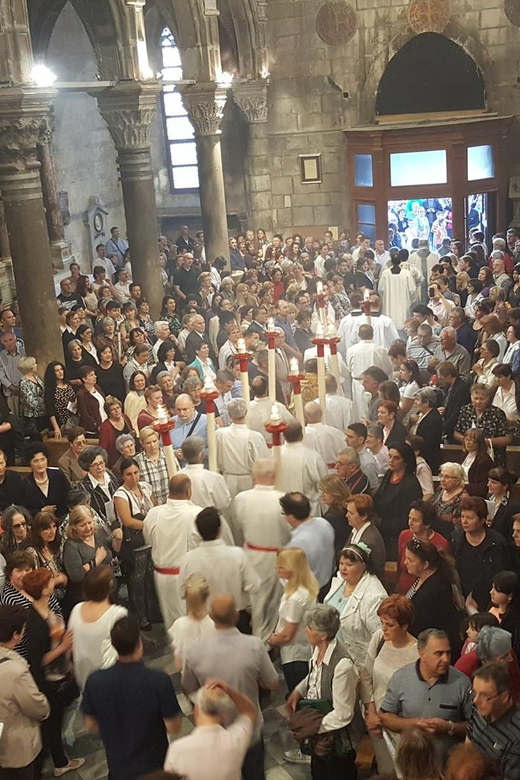
Reviewed · SIBENIK OLD TOWN & RIVIERA TOURS
The beauty of the Middle Ages-Šibenik
Stone streets and cathedral secrets in 90 minutes. This tour takes you through one of Croatia’s best preserved medieval city centers, starting with views toward fortress St. Michael and then threading you through churches, monasteries, and noble palaces until you reach the Cathedral of St. James. I love how the pacing feels like a “time walk,” not a lecture, and you come away with a clear sense of how Šibenik grew and ruled itself.
Two things I genuinely liked: you get an up-close look at standout sacred art moments (the 1762 organ by Petar Nakić is a highlight), and you also get practical city-reading skills—how to spot symbols, understand why certain places matter, and follow the logic of the streets. The guide, Dario Mikulandra (Magnificat), is known for keeping the details understandable and for sharing his affection for the city without getting lost in heavy theory.
One consideration: there are several steps, and the route includes stair descents as part of the story stops. If your legs or knees are not happy with uneven stone and lots of stairs, you’ll want to plan carefully before booking.
In This Review
- Key things to know before you go
- From St. Michael Fortress Views to the Eastern City Gates
- Monastery of St. Francis and the 1762 Petar Nakić Organ
- Noble Streets, Palaces, Coats of Arms, and the Šibenik Meter
- Gorica Walk: St. Luca, the Lurd Cliff, and Why No Weddings in May
- Four Wells, the Largest Cistern, and What the Stones Tell You
- St. James Cathedral: Croatia’s Most Beautiful Cathedral and the Final Payoff
- Price, value, and the kind of traveler who will enjoy this
- The guide experience: Dario Mikulandra’s teaching style
- Should you book The Beauty of the Middle Ages in Šibenik?
- FAQ
- Where does the tour meet?
- How long is the experience?
- How big is the group?
- What languages are available?
- What’s included in the price?
- Which major sights are part of the itinerary?
- Is the Petar Nakić organ included?
- Are there many steps?
Key things to know before you go
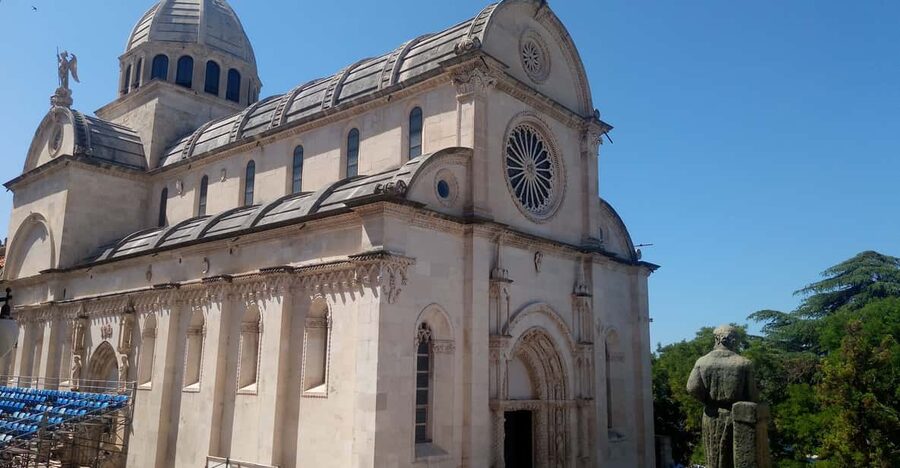
- Cathedral focus with included entry: You’ll spend time at the Cathedral of St. James and you’ll have the ticket part covered.
- Small group (up to 10): Easier questions, better flow, and less rushing in tight lanes.
- Medieval stops you can actually picture: St. Francis monastery, the Gorica area, and other religious sites are tied into the route.
- Specific, named details: The tour calls out the organ by Petar Nakić (1762) and key medieval features like the Šibenik meter.
- Stairs are real: Expect step counts to be part of the experience.
From St. Michael Fortress Views to the Eastern City Gates
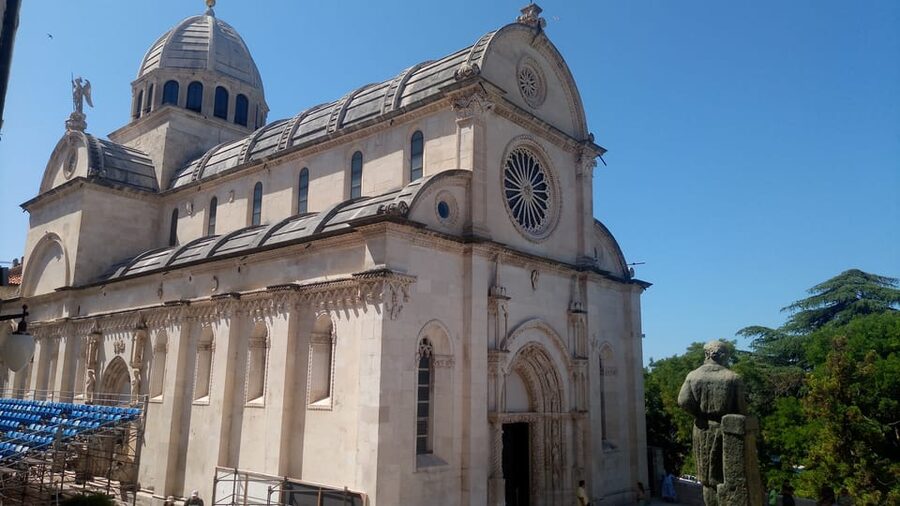
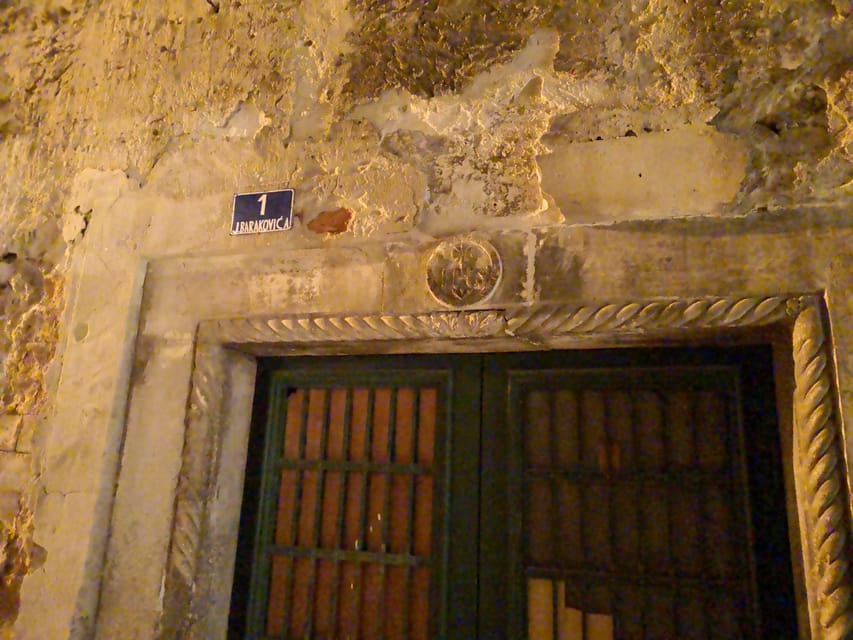
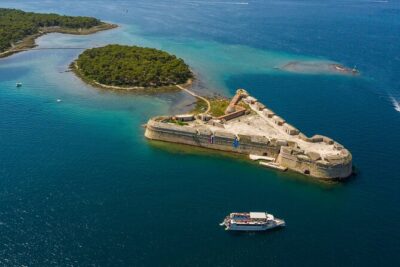
The tour begins at the main entrance-portal of the Cathedral of St. James, facing west. It’s opposite the statue of sculptor Juraj Dalmatinac—and that detail matters because it’s not the lion doors. From there, the guide gets you moving toward the old town’s edge, where the first real “wow” is the panoramic sense of place: you’re looking over the old city and toward the fortress of St. Michael.
This first stretch does two useful things for you. First, it helps you orient immediately—Šibenik isn’t flat or uniform, and the views explain why people built where they did. Second, it sets the tone for the walking part. After a viewpoint like that, the narrow lanes and stone facades start to make sense, not just look pretty.
You also get a clear direction as the tour slips into medieval Šibenik through the eastern city gates. That transition is one of the reasons this feels more special than a generic walking tour: you’re not just moving from building to building, you’re moving from one “layer” of the city to the next.
Down the coast to Sibenik, its cathedral and the Riviera islands.
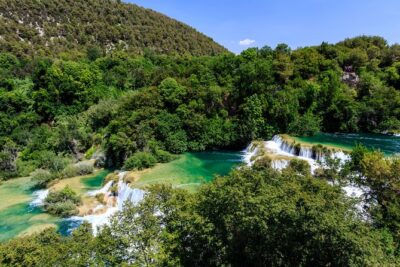
- Vodice: Krka Waterfalls National Park Boat Tour
★ 4.6 · 250 reviews - Šibenik Riviera boat tour: Zlarin + Prvić + Tijat
★ 4.5 · 71 reviews - Sibenik: Guided Evening Walking Tour
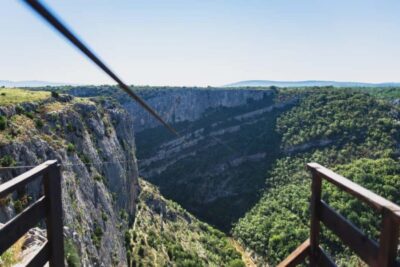
★ 4.9 · 62 reviews - Zipline Šibenik – Čikola Canyon
★ 5.0 · 48 reviews
Monastery of St. Francis and the 1762 Petar Nakić Organ
Next up is the Monastery of St. Francis, entered as you pass through those medieval edges. Monasteries can be tricky on tours—sometimes you see the outside and move on. Here, you get more of the “why it mattered” feeling, including what secrets an almost 7-century-old monastery still holds.
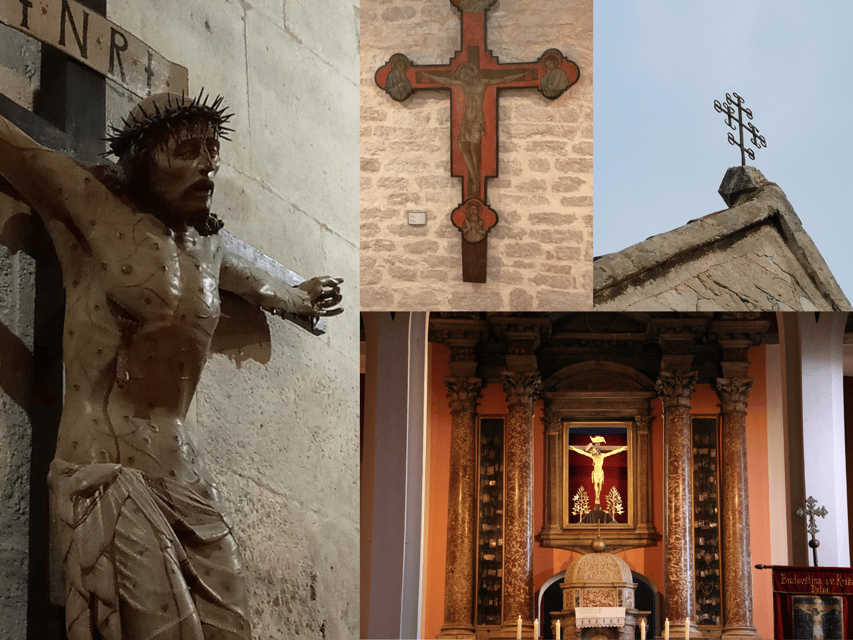
Then comes one of the most concrete, specific highlights: the organ by Petar Nakić from 1762. It’s not presented like random trivia. The point is to make the instrument part of the larger story—religion, ceremony, and how sound was woven into daily spiritual life. If you like sacred art but don’t want a deep musicology lesson, this is a good balance: you’ll leave knowing what it is and why it’s valued.
Practical tip: if you’re sensitive to sound or you’re easily distracted, remember that cathedrals and churches can amplify voices and echo. The guide’s job is to point out what to look for, so follow their cues on where to stand and what to notice.
Noble Streets, Palaces, Coats of Arms, and the Šibenik Meter
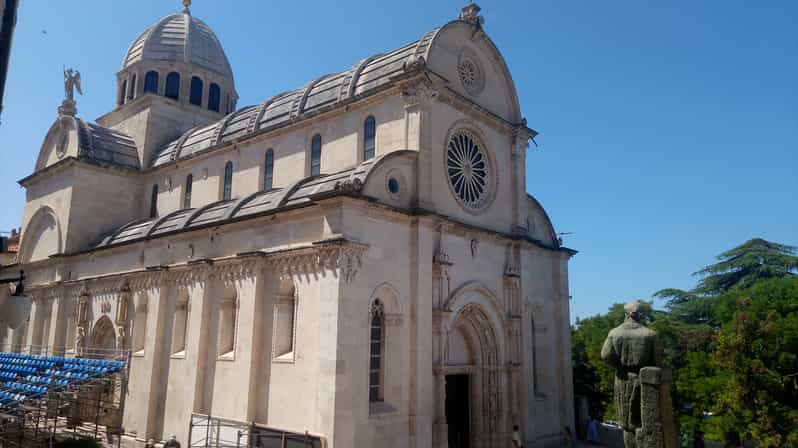
After the monastery stop, the route shifts into the noble part of town. This is where Šibenik looks like it’s wearing its best costume: old palaces, portals, and coats of arms of noble families. The guide helps you read those symbols instead of just admiring them, which is the difference between seeing an old town and understanding it.
One of the tour’s standout “only in this city” details is the Šibenik meter. You’ll hear what it is and why it matters locally, and you’ll probably start noticing measuring and trade details elsewhere as you walk—because medieval cities were built on systems, not just monuments.
The tour also introduces you to four important medieval fraternities in Šibenik. Even if you don’t remember every name, you’ll walk away with a clearer idea of how the city organized community life. That’s a big deal for visitors who want more than photos: it turns the old streets into something social and lived-in.
If you’re the type who likes structure, this portion is satisfying. It follows a logical thread: religious life, then civic/political life, then the social groups that shaped how people interacted day to day.
Gorica Walk: St. Luca, the Lurd Cliff, and Why No Weddings in May
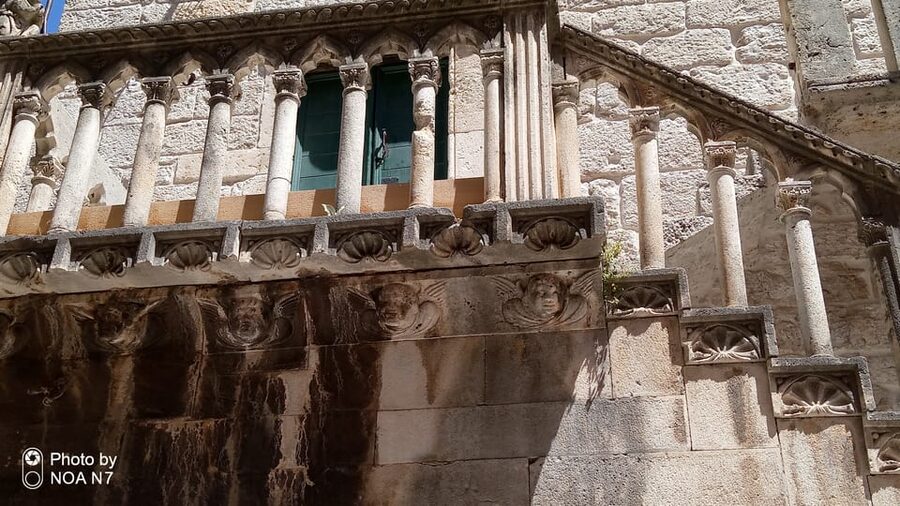
From the noble lanes, the tour continues into Gorica. This is a great change of pace because the city’s story doesn’t run in a straight line. You’ll see the Benedictine monastery of St. Luca, which adds another layer to the religious map of Šibenik.
Then you’ll get a memorable local legend-style fact: the reason there are no weddings in Šibenik in May. I like these kinds of details because they connect culture to time. Instead of only studying stone, you learn how people used calendars, beliefs, and tradition to shape public life.
You also stop for the view of the Lurd cliff in the heart of the city. It’s the kind of thing you might miss if you’re simply wandering. On a guided walk like this, you learn where to look so the city rewards your attention, not just your legs.
As you move onward, you can feel the tour’s rhythm change again. It’s not random sightseeing. It’s building a story that leads toward the major centerpiece: St. James Cathedral.





Four Wells, the Largest Cistern, and What the Stones Tell You
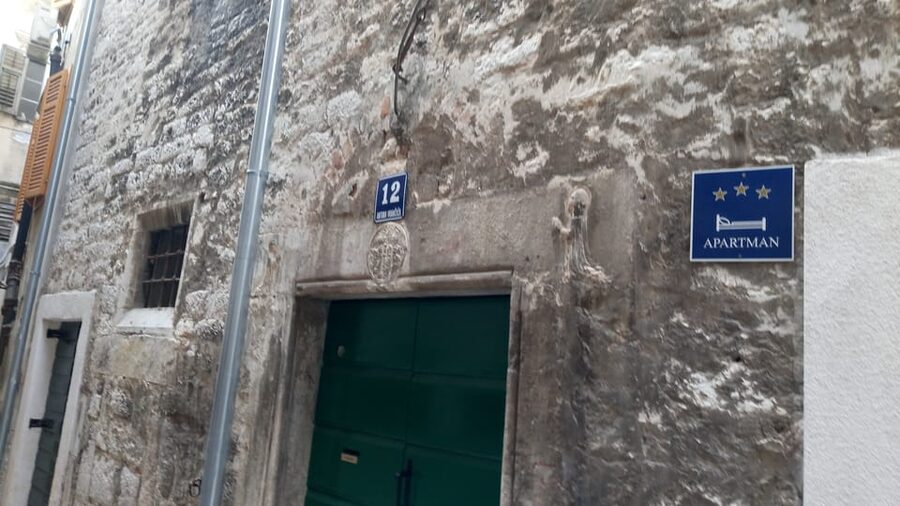
One of the practical realities of visiting Šibenik is that it’s a city where water management mattered as much as church and politics. That’s why the stop at the square of the Four Wells is so useful. You’ll descend the stairs slowly as part of the walk, which gives you time to notice how the city’s layout supports daily life.
From there, you’ll “dive deep” in the literal sense: into the largest cistern. The tour uses this to show you how a medieval city survived—especially before modern plumbing and modern pumping. If you enjoy architecture, you’ll love this because it’s less about ornament and more about engineering and survival.
Now, the step warning from the start becomes more relevant here. If you have mobility issues, this section can be the toughest part of the whole itinerary. Even if you’re fine walking, plan on steady footing. Old stone can be uneven, and stairs add up over 90 minutes.
The cistern stop also makes the rest of the tour click. Once you understand water, you understand why the city developed the way it did. You start seeing streets and structures as systems, not just scenery.
St. James Cathedral: Croatia’s Most Beautiful Cathedral and the Final Payoff
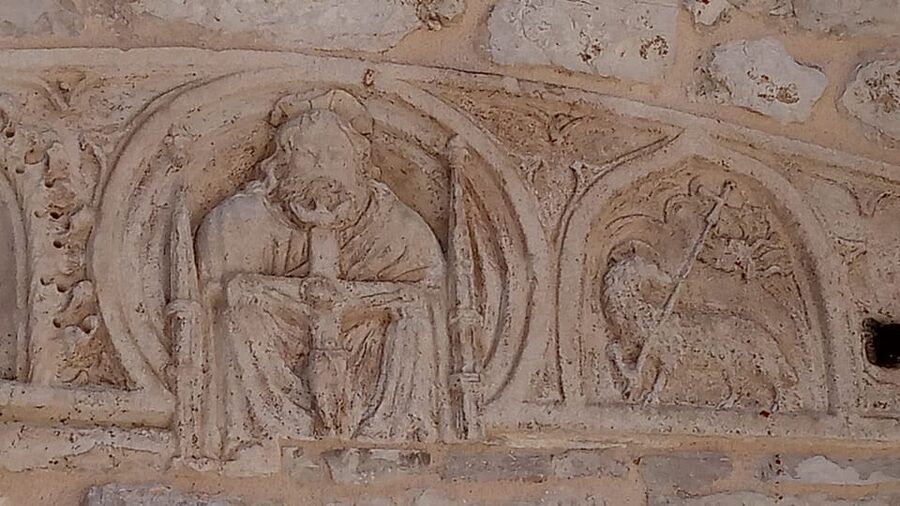
The finish is the big one: the Cathedral of St. James. This is the tour’s “pearl” moment—not because you’re only focusing on the exterior, but because you’re guided through the cathedral as the final stage of the medieval story.
You’ll have the entry ticket included, which matters for value and timing. Cathedrals can be the bottleneck on travel days, so it’s nice when the ticket part is handled for you. The guide will help you notice details and explain the secrets and beauty tied to the building, not just the broad facts.
In many old towns, the cathedral is simply a backdrop. Here, the cathedral is framed as the culmination of everything you’ve already seen: monasteries, noble symbols, civic life, and the city’s practical needs. That gives St. James more weight than it would get on a rushed visit.
One more tip for getting the most out of the cathedral stop: take a minute to look for the guide’s specific focal points before you photograph. Churches reward patience, and 90 minutes goes fast if you’re bouncing between snapshots.
Price, value, and the kind of traveler who will enjoy this
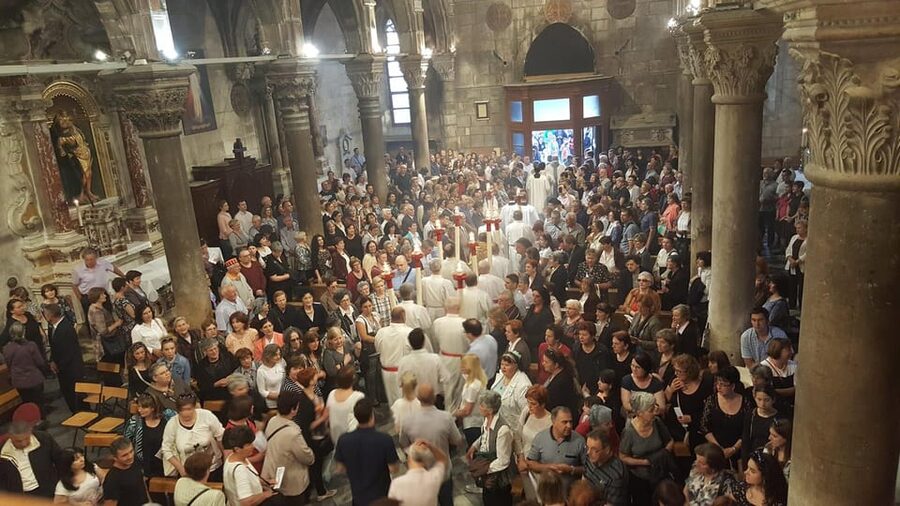
The price is about $32 per person for 90 minutes, and that’s where the value is hiding. You’re paying for two things: a guided interpretation of medieval Šibenik and an included cathedral entry ticket. Because the group is limited to 10 participants, you’re also not stuck in a crowd trying to hear over everyone else.
This tour is ideal if you want:
- a short medieval hit that still feels coherent,
- city-context details like fraternities, symbols, and “how the city worked,”
- a guide who talks through the meaning of sacred and historical sights.
It might be less ideal if you:
- hate stairs and long stone steps,
- want a long, inside-only cathedral deep study rather than a guided walking route with multiple stops.
Also, you can usually keep things flexible with reserve-and-pay-later style booking and free cancellation up to 24 hours in advance. If you’re planning around cruise arrivals or ferry times, that flexibility is practical.
The guide experience: Dario Mikulandra’s teaching style
This tour is hosted by Magnificat and led by Dario Mikulandra. The overall vibe in the guide stories is consistent: Dario explains things in a way that feels personal and enthusiastic, and he takes time to make sure you understand what you’re seeing.
You’ll notice that the details are not random. The tour leans into specific named elements like the Petar Nakić organ (1762) and local oddities like the no-weddings-in-May tradition. That approach works. It keeps your brain engaged because you’re not just memorizing dates—you’re building a mental map of how Šibenik expresses identity through faith, society, and everyday logistics.
There is one wrinkle to mention for balance: I’ve seen a report of a delayed start where someone waited at the meeting point and the guide did not arrive. That’s not the norm, but it is enough that I’d suggest you arrive a bit early and keep an eye on any message from the operator on the day.
Should you book The Beauty of the Middle Ages in Šibenik?
If you want a compact, high-impact medieval walk that actually teaches you how to see Šibenik, I’d book it. You get small-group attention, a logical route through the city’s key religious and noble sites, and a strong finish at St. James Cathedral with ticket support. The price also feels fair for what’s included, especially because the cathedral visit is part of the package rather than an add-on.
Book it if you’re okay with stairs and you like guided context more than free wandering. Skip it (or ask about alternatives) if mobility is a concern or if you’re looking for a slow, fully seated experience.
If your goal is to come away with more than photos—if you want the city’s symbols, institutions, and practical medieval life to click—this 90-minute route is a very satisfying way to do it.
FAQ
Where does the tour meet?
The meeting point is the main entrance-portal of the Cathedral of St. James in Šibenik, facing west, opposite the statue of sculptor Juraj Dalmatinac.
How long is the experience?
The tour lasts about 90 minutes.
How big is the group?
It’s a small group limited to 10 participants.
What languages are available?
The live tour guide offers English and Croatian.
What’s included in the price?
You get an entry ticket for the Cathedral of St. James and a guided tour of medieval Šibenik, including the monastery and church walk through narrow streets.
Which major sights are part of the itinerary?
You’ll visit areas including the Monastery of St. Francis, walk through the noble part of the old town, see Gorica (including the Benedictine monastery of St. Luca), and finish at the Cathedral of St. James.
Is the Petar Nakić organ included?
Yes. The tour includes seeing the organ by Petar Nakić from 1762.
Are there many steps?
Yes. The route includes stairs, including a descent toward the square of the Four Wells, so it may be challenging if you struggle with steps.
More Tour Reviews in Sibenik

More of Sibenik & the Riviera
After something else? More tours and days out around Sibenik




Sibenik Old Town & Riviera Tours, compared.
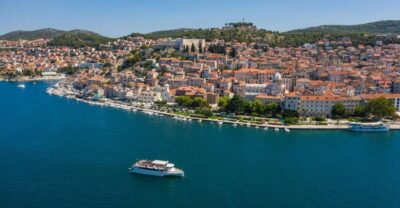 ★ 4.6Vodice: Krka Waterfalls National Park Boat TourFrom $93250 reviews
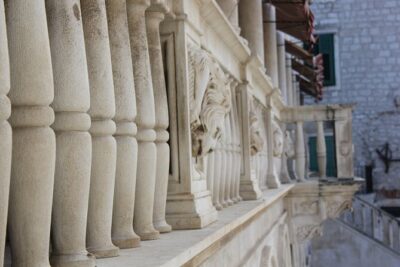 ★ 5.0Private Sibenik Walking Historical Morning or Evening TourFrom $5493 reviews
 ★ 4.5Šibenik Riviera boat tour: Zlarin + Prvić + TijatFrom $14471 reviews
 ★ 4.9Sibenik: Guided Evening Walking TourFrom $4562 reviews
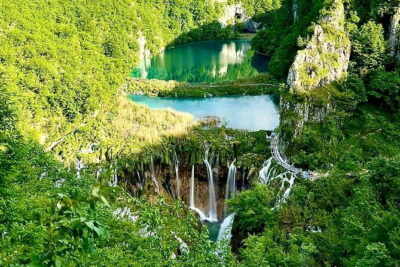 ★ 5.0Zipline Šibenik – Čikola CanyonFrom $8948 reviews
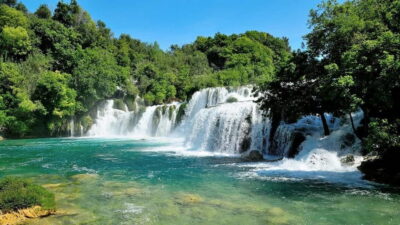
 ★ 4.5Krka Waterfalls National Park Boat Tour from VodiceFrom $18043 reviews
 ★ 5.0Sibenik Private Combined Food & Drink and Historical TourFrom $17836 reviews
 ★ 4.0Kornati island National Park & Telascica Nature Park Boat Tour from VodiceFrom $8436 reviews
Browse the lists this tour appears in