
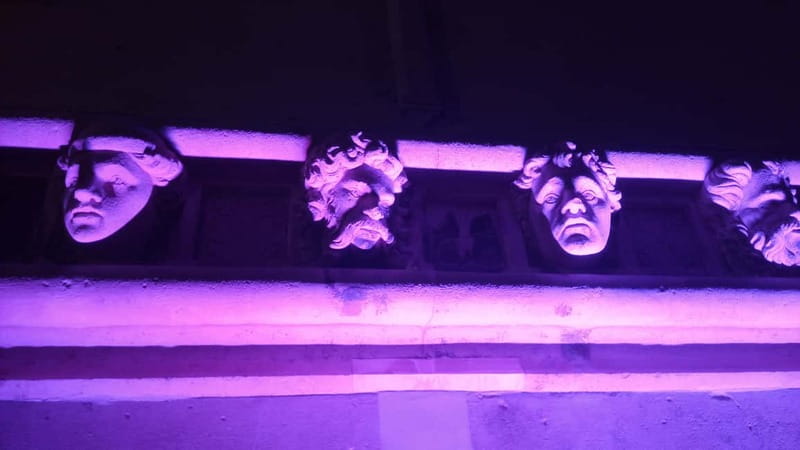
Reviewed · SIBENIK OLD TOWN & RIVIERA TOURS
Šibenik: Medieval Night Walking Tour
Walking Šibenik at night feels like time travel. I like the way the guide starts you at cathedral square, then connects the building to what the city thought about light. You’ll also love the medieval cistern with its four wells, because it makes survival feel concrete and close.
The highlight for me is the way the nighttime setting turns history into something you can feel: narrow lanes, covered passageways, and the sense that the old town is still doing its old job. With Dario Mikulandra leading, the storytelling has energy, plus the practical details that help you keep your bearings.
One possible drawback: you’ll be on dark, medieval streets with lots of stair steps and uneven ground. Pack good walking shoes, and don’t expect this to be a slow, stroller-friendly stroll.
In This Review
- Key things to know before you go
- Walking Šibenik at Night: Why This 1-Hour Format Works
- The Meeting Point: Don’t Guess the Wrong Door
- Cathedral Square and the Light Story Behind Šibenik’s Most Famous Building
- Medieval Lanes, Covered Passageways, and That Unlit-Sidewalk Feeling
- The Medieval Cistern With Four Wells: Water Management You Can See
- St. Lawrence Monastery and the Cave Spot in the Old Town
- Column of Shame and Stories of Escape, Fair Cheaters, and Punishment
- Crafts, City Symbols, and the “Notice This” Stops Most People Miss
- Stopping to Hear Why the 72 Bells Rung
- Price and Value: $49 for an Hour With Meaning, Not Just Movement
- Who This Tour Is For (and When Daytime Might Be Better)
- Should You Book It? My Practical Take
- FAQ
- How long is the Šibenik Medieval Night Walking Tour?
- What time does the tour start?
- Where is the meeting point?
- Where does the tour end?
- Which languages are available?
- Who runs the tour?
- What does the tour include?
- Are there entrance fees for churches and museums?
- Is hotel pickup available?
- Can I pay later and cancel if needed?
Key things to know before you go

- A real night focus: unlit medieval lanes change how the town looks and sounds
- Cathedral square first: you get the big visual moment right away, then the meaning behind it
- Four-well cistern visit: water history you can actually picture
- St. Lawrence area stops: monastery grounds plus a cave-like spot in the old town
- Small-town details, not just landmarks: crafts, symbols, chapel sites, and the column of shame
- One hour, tightly paced: enough time to learn, not enough time to get bored
Walking Šibenik at Night: Why This 1-Hour Format Works
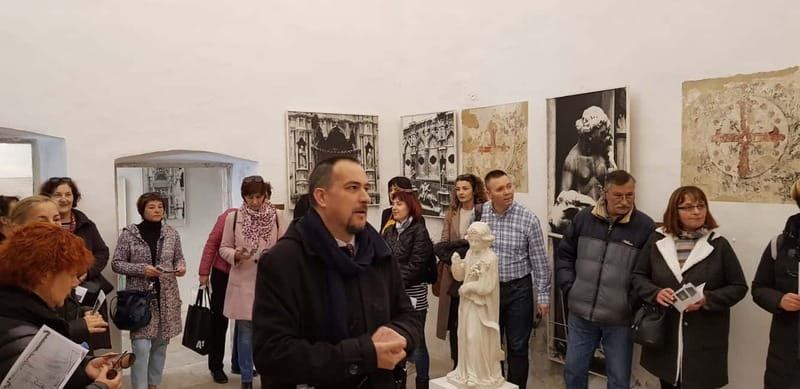
Šibenik at night is different in a good way. Daytime has crowds, buses, and the usual photo sprint. Night does the opposite: it slows your attention and makes you look up, because you’re moving through streets that weren’t meant for electric light.
This tour is only about one hour, which is a sweet spot. You get guided context for the cathedral area, the older lanes, and a couple of key sites, without burning your evening. After the walk, you can either head out for dinner or return to the cathedral square in daylight and see how much you missed when you were inside the stories.
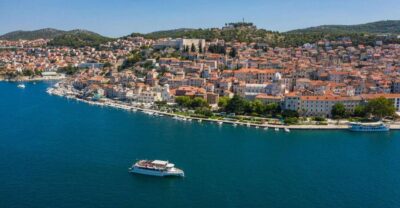
Down the coast to Sibenik, its cathedral and the Riviera islands.
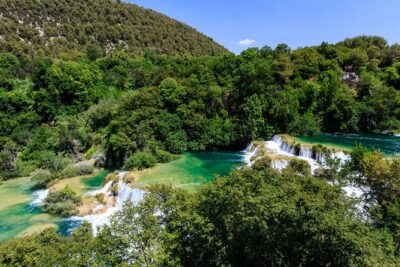
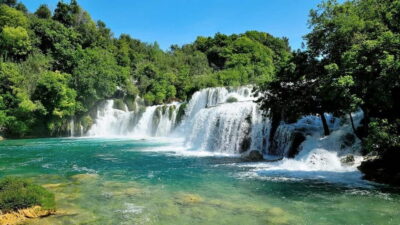
- Vodice: Krka Waterfalls National Park Boat Tour
★ 4.6 · 250 reviews - Šibenik Riviera boat tour: Zlarin + Prvić + Tijat
★ 4.5 · 71 reviews - Sibenik: Guided Evening Walking Tour
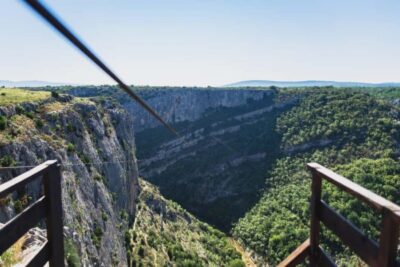
★ 4.9 · 62 reviews - Zipline Šibenik – Čikola Canyon
★ 5.0 · 48 reviews
The Meeting Point: Don’t Guess the Wrong Door
You’ll meet at the main entrance portal of the cathedral, facing west. It’s not the cathedral doors with the lions. The portal is opposite the statue of the sculptor Juraj Dalmatinac, so treat that statue as your north star.
Getting this right matters, because night wandering can eat time fast. If you’re doing this as part of a busy trip schedule, arriving five minutes early helps a lot—especially in a medieval old town where turns can look similar.
If hotel pickup is part of your plan, the guide waits for you at your hotel reception. Either way, the official tour starts at the cathedral portal and ends back there.
Cathedral Square and the Light Story Behind Šibenik’s Most Famous Building
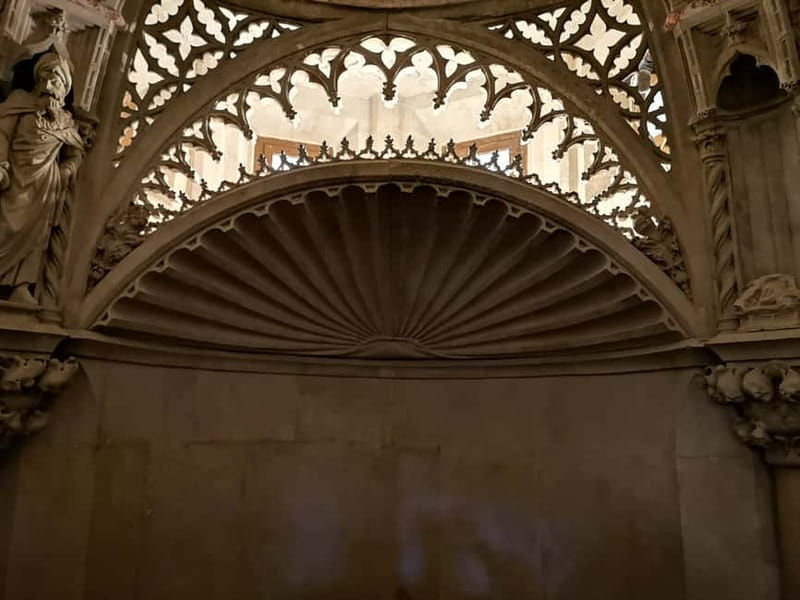
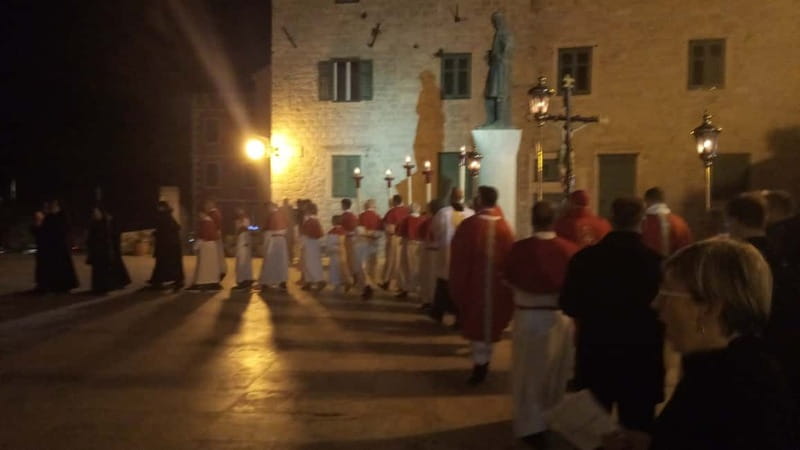
The tour begins in the cathedral zone, where the city’s pride becomes visible before the explanation even starts. You’ll walk in the cathedral square and hear how the guide frames the construction of Šibenik’s cathedral as a story the city told itself.
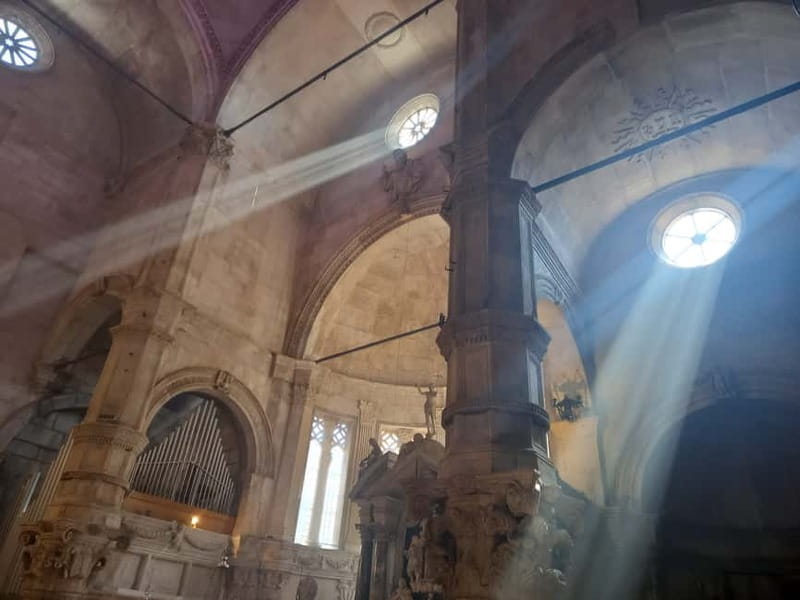
One theme you’ll hear is about what light meant in the cathedral’s construction. That’s more than a detail—it’s a way to understand why medieval builders cared about sight lines, shadows, and the impact of illumination. Even if you know the architecture basics, hearing it spoken out loud at night makes the whole space feel more intentional.
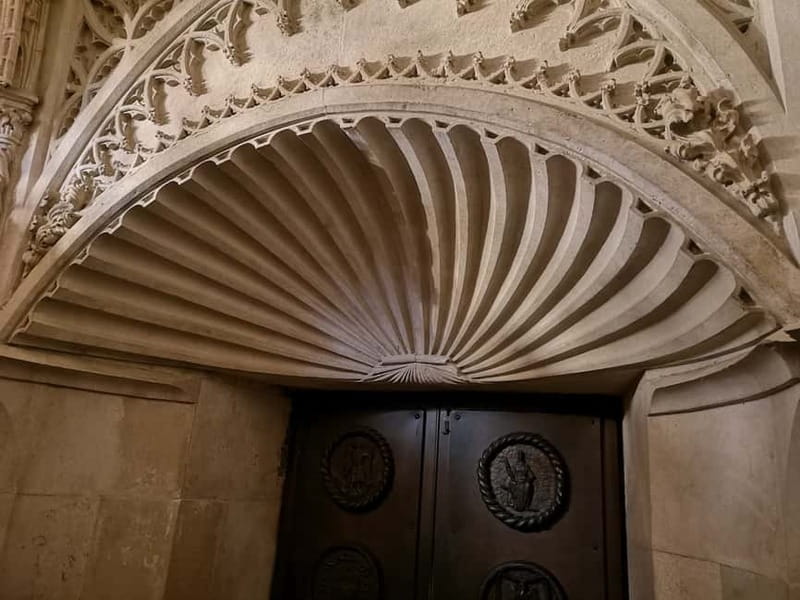
You’ll also see the church of St. John and its reliefs. Night makes relief sculpture a little harder to read at first, but it also makes the shapes pop when the guide points them out and tells you what you’re actually looking at.
And yes, the square gives you a classic overview view of the cathedral. In daylight you can appreciate the full form; at night, it helps you understand the “why” behind the design choices.
Medieval Lanes, Covered Passageways, and That Unlit-Sidewalk Feeling
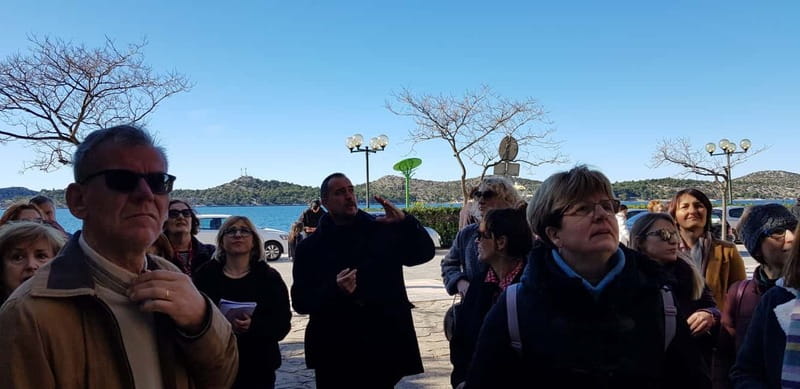
The core pleasure here is walking where the streets were never designed for modern lighting. During the Middle Ages, darkness wasn’t an accident—it was part of how the town functioned.
So the guide leads you through narrow streets and talks while you’re in the middle of them. The tour also includes tunnels and covered passageways, which can feel like the town has layers. When you move like this at night, you start to understand why people in the past treated these routes as more than “getting from A to B.”
Expect to deal with the practical side too: medieval towns are full of stairs, and the old core can be steep. Even though the tour is short, the walking is real.
More to do once the sun is off the water.


The Medieval Cistern With Four Wells: Water Management You Can See
Then you get the most practical kind of history: water.
You’ll visit a medieval cistern of four wells. The guide explains what it looked like inside and how the city collected water. It’s one of those stops that flips your mental map of the city. Suddenly, the old town isn’t just pretty stone and churches—it’s infrastructure.
If you’re the type who likes to understand how people lived, this cistern visit is the moment that makes the rest of the stories feel grounded. And it’s also a nice change of pace from street-level narration—different space, different acoustics, and a sense of going underground without a bus ride.
St. Lawrence Monastery and the Cave Spot in the Old Town
One of the stops centers on the monastery of St. Lawrence. This is a strong choice for a night tour, because monastery spaces tend to reward quiet attention. The guide connects the place to the way religious life shaped city rhythms, including moments described as nuns praying in darkened monastery areas.
You’ll also encounter the tour’s intriguing extra: a cave in the old town, located next to the monastery of St. Lawrence. The exact feel depends on where you stand and how the guide describes it, but it’s the kind of stop that makes night touring worth doing. It gives you a physical reminder that the old town wasn’t just built on the surface.
Column of Shame and Stories of Escape, Fair Cheaters, and Punishment
The tour doesn’t stick only to beauty. It also includes the darker social side of medieval life, and it’s handled as story, not shock.
You’ll see the column of shame. The guide also discusses the idea that Šibenik had places and symbols tied to public punishment, including stories about cheaters escaping from the medieval fair.
This section works best if you lean into the context. In a medieval setting, punishment wasn’t only about discipline—it was about making examples visible. At night, that meaning lands harder because you’re reading the town with fewer distractions.
Crafts, City Symbols, and the “Notice This” Stops Most People Miss
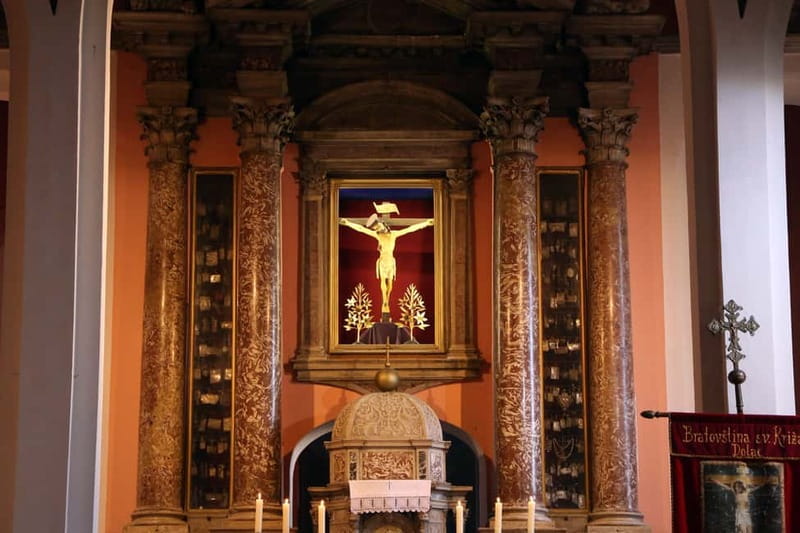
Not every great night tour just hits the big churches. This one sprinkles in smaller details that make you feel like you’re learning how to read the city.
Included stops and sights can include:
- town’s crafts (how everyday work shaped the city)
- the medieval sign of the so-called Šibenik subway
- the chapel of the first Šibenik doctor from 1419
- the first public lighting lamp from 1895
That last point is surprisingly powerful. It creates a timeline you can feel: from unlit medieval streets to the moment the city started changing how darkness worked in daily life. It’s a reminder that modernization doesn’t happen all at once.
Stopping to Hear Why the 72 Bells Rung
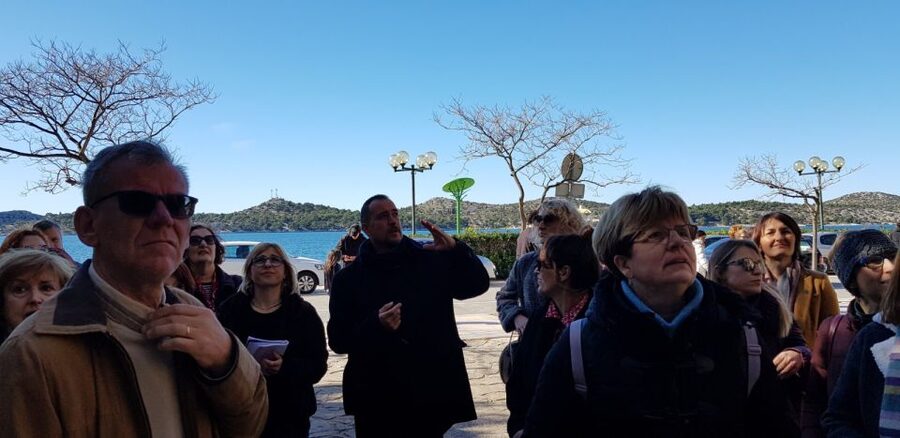
One of the more memorable storytelling themes involves sound. You’ll hear why all 72 bells of the city rang, plus how midnight on December 17 was greeted.
Even if you don’t picture every detail in your head, hearing these references helps you connect the cathedral and church network to real city life. Medieval towns didn’t just have bells for celebration; bells were a communication system. A night walk is the right setting to understand that.
This is also where Dario’s style matters. The guide’s English is described as very good, and the tour includes humor, which keeps the hour from turning into a lecture. Ask questions as you go. You’ll get better answers when you’re standing in the exact spot being described.
Price and Value: $49 for an Hour With Meaning, Not Just Movement
At $49 per person, this isn’t a throwaway add-on. The value comes from three things you’re not likely to recreate easily on your own at night:
- A guided narrative that connects places like the cistern, monastery area, and cathedral square to themes like light, water, punishment, and sound.
- Specific city symbols and lesser-known stops that help you notice what’s there without needing a local historian in your pocket.
- Short duration that fits into a normal travel evening without taking over your whole night.
Could you DIY a night walk and point at buildings? Sure. But you’d miss why things are placed where they are and why they mattered to people who lived in darkness on purpose. This tour pays for the explanations, not just the walking.
And since the tour framing indicates there are no entrance fees for churches and museums within the walk, your spending stays predictable.
Who This Tour Is For (and When Daytime Might Be Better)
This is a great pick if you:
- want a first-timer-friendly way to learn Šibenik’s medieval logic in a short time
- like history stories tied to real spaces (cistern, monastery area, cathedral square)
- enjoy nights out and prefer being away from daytime heat and crowds
It may be less comfortable if you:
- need level ground and low stair counts
- don’t like dark, narrow streets
- want to “wander slowly” with no pace and no tight timeline
For families, the tour length and mix of topics can work well. One family of four with two young children described it as enjoyable for everyone, which suggests the guide can bring the stories to human scale, not just dates and names.
Should You Book It? My Practical Take
If you have one free evening in Šibenik and you want something more than photos, book this. The hour-long structure is efficient, and the combination of cathedral square meaning plus the cistern stop plus the St. Lawrence area makes it feel like a real mini-course in medieval town life.
If you prefer silent sightseeing, then you might swap it for a daylight walk. But if you like your history with atmosphere—sound, darkness, infrastructure, and symbolism—this night tour is a strong fit.
One last tip: wear shoes for cobblestones and stairs, show up at the correct portal, and give the guide your attention. This kind of tour rewards you most when you stop treating the old town like a backdrop.
FAQ
How long is the Šibenik Medieval Night Walking Tour?
The tour lasts about 1 hour.
What time does the tour start?
Starting times vary, so you’ll need to check availability to see what’s offered.
Where is the meeting point?
Meet at the cathedral main entrance portal facing west, opposite the statue of Juraj Dalmatinac. It is not the lions door.
Where does the tour end?
The tour ends back at the same meeting point.
Which languages are available?
The live guide offers English, Croatian, and Serbo-Croatian.
Who runs the tour?
The experience provider is Magnificat, owned by Dario Mikulandra.
What does the tour include?
Included sights and stops can include the cathedral square and construction story, the medieval cistern with four wells, the oldest street in the city, the monastery of St. Lawrence, town crafts, the medieval sign of the Šibenik subway, the chapel of the first Šibenik doctor from 1419, and the column of shame, plus other related points.
Are there entrance fees for churches and museums?
For this night tour, there are no entrance fees for churches and museums.
Is hotel pickup available?
If hotel pickup is necessary for your situation, the guide will wait for you at your hotel reception.
Can I pay later and cancel if needed?
You can reserve now and pay later, and there is free cancellation up to 24 hours in advance for a full refund.
More Tours in Sibenik

More Tour Reviews in Sibenik
More of Sibenik & the Riviera
After something else? More tours and days out around Sibenik





Sibenik Old Town & Riviera Tours, compared.
 ★ 4.6Vodice: Krka Waterfalls National Park Boat TourFrom $93250 reviews
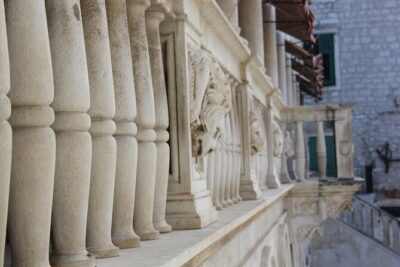 ★ 5.0Private Sibenik Walking Historical Morning or Evening TourFrom $5493 reviews
 ★ 4.5Šibenik Riviera boat tour: Zlarin + Prvić + TijatFrom $14471 reviews
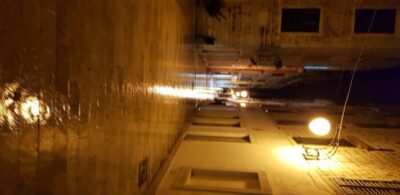 ★ 4.9Sibenik: Guided Evening Walking TourFrom $4562 reviews
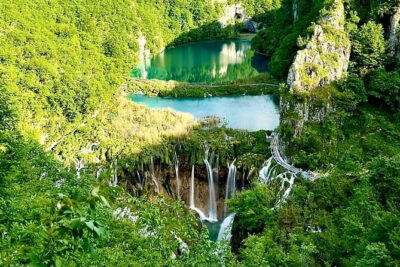 ★ 5.0Zipline Šibenik – Čikola CanyonFrom $8948 reviews
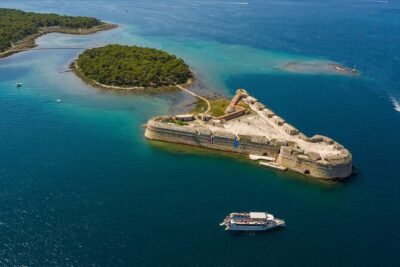 ★ 4.5Krka Waterfalls National Park Boat Tour from VodiceFrom $18043 reviews
 ★ 4.0Kornati island National Park & Telascica Nature Park Boat Tour from VodiceFrom $8436 reviews
 ★ 5.0Sibenik Private Combined Food & Drink and Historical TourFrom $17836 reviews
Browse the lists this tour appears in