
Reviewed · SIBENIK OLD TOWN & RIVIERA TOURS
Sibenik: Stunning views, History & Tasting – Croatia in day
Olive oil views in Croatia, in half a day. I love the guided olive oil tasting with polyphenol talk, and the payoff is Kornati Archipelago panoramas. One consideration: this is a countryside-and-history run, so you’ll trade slow city strolling for driving time and a bit of walking.
This tour works because it ties together three things you usually keep separate in Dalmatia: politics and place, the craft of making extra virgin olive oil, and the pleasure of eating and drinking where locals actually live. In other words, it’s not just samples in a shop window—it’s the land, the process, and the story in the same morning-to-afternoon rhythm.
You’ll also get real human connection. Guides like Dr Neil bring the history to life during the sightseeing parts, and at the olive farm you can meet the people behind the product (including Mr Lepur, who serves drinks before the tour). Do note it’s not for everyone: it’s not suitable for children under 12, and if you hate tasting sessions, this one will feel food-forward.
In This Review
- Key points that make this tour worth it
- Why this half-day from Šibenik feels like more than a snack stop
- From the bus station to Okit: viewpoints that set the whole story
- Kaštel Benković and the coast–hinterland crossroads
- The family olive grove and mill: where the real wow factor lives
- Olive oil tasting tuition: learning to taste polyphenols (without getting technical)
- Wine tasting with regional grapes: sipping with the same logic as the oil
- Traditional lunch option: extra value if you want the full day taste
- Lake Vrana and Kornati views at Kamenjak Nature Park
- Logistics that actually matter: timing, group size, and what you’ll do
- Price and value: why $52 is reasonable for what you get
- Who this tour is perfect for (and who might not love it)
- Should you book this Šibenik olive oil, history, and tasting tour?
- FAQ
- How long is the Sibenik olive oil and tasting experience?
- What time does the tour start?
- Where do we meet and where does the tour end?
- Is this a small group tour?
- What’s included in the tastings and food?
- Is lunch included?
- Do you visit historic sites?
- What viewpoints do you visit?
- What languages are available?
- Is the tour suitable for children or older adults?
Key points that make this tour worth it
- Polyphenol-focused olive oil tasting so you learn what quality actually tastes like
- Family olive grove and mill visit, with modern cold-press explained in plain terms
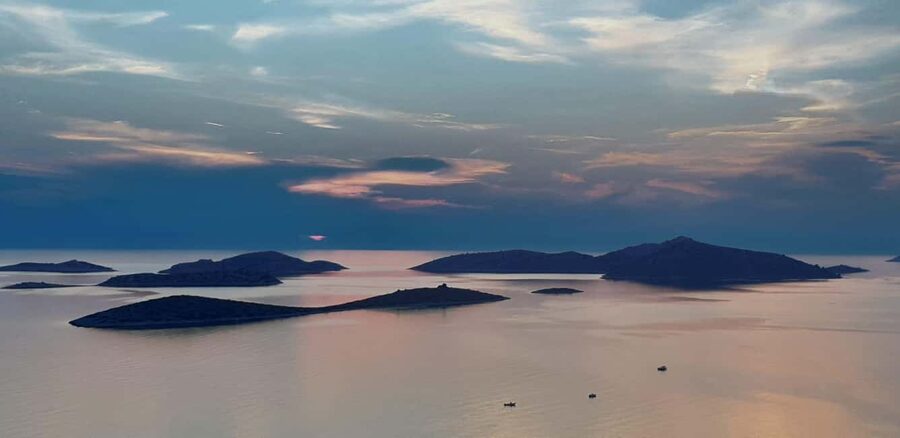
- Big viewpoints: Kornati views from Kamenjak and a hill stop with sweeping island-and-coast angles
- History through landmarks, with context for the coast-hinterland crossroads
- Local wine plus snacks, including Dalmatian sparkling wine as the regional champagne-style pour
- Optional lunch that’s built around seasonal ingredients and your chosen wine
Why this half-day from Šibenik feels like more than a snack stop
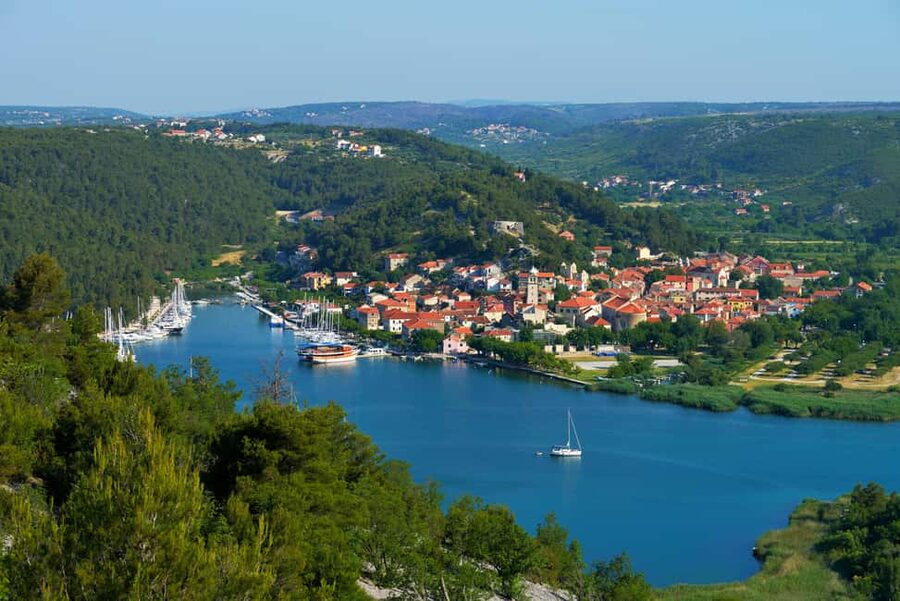
A 4–5 hour experience can easily feel rushed. This one doesn’t, because the flow has logic: you drive, you look, you learn, you taste, you eat, you look again—each segment reinforces the others.
The value sits in the pairing. Olive oil is taught like a skill, not a sales pitch. Then wine comes in with the same theme: regional grapes and flavors tied to soil and tradition. Add in short history visits at strategic points, and suddenly you’re not just consuming tastings—you’re understanding why the flavors make sense where they do.
Also, the group size helps. You’re in a small group (up to 8 in the minibus, or up to 16 in the coach), which means questions land and the guide can pace explanations to the people in the van.
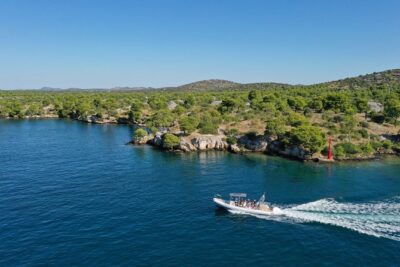
Down the coast to Sibenik, its cathedral and the Riviera islands.
- Vodice: Krka Waterfalls National Park Boat Tour
★ 4.6 · 250 reviews - Šibenik Riviera boat tour: Zlarin + Prvić + Tijat
★ 4.5 · 71 reviews - Sibenik: Guided Evening Walking Tour
★ 4.9 · 62 reviews - Zipline Šibenik – Čikola Canyon
★ 5.0 · 48 reviews
From the bus station to Okit: viewpoints that set the whole story
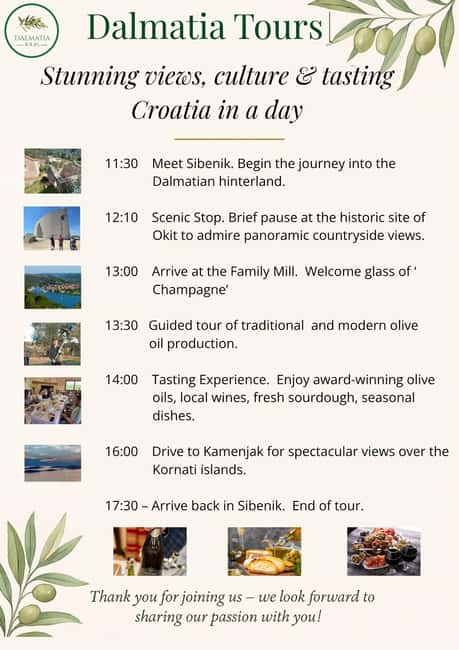
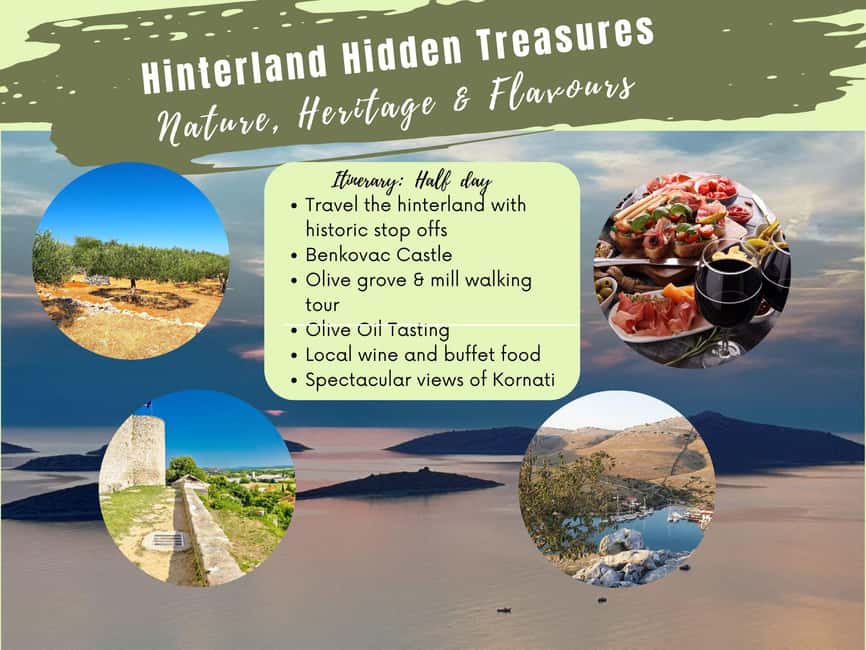
The tour starts at the central bus station in Šibenik around 12:00, with pickup coordination handled through WhatsApp or messaging before you go. After a short safety briefing, you’re transferred inland through Dalmatian countryside toward the first viewpoint area: Svetište Gospe od Karmela – Okit.
This stop is short, but it’s designed as your orientation moment. From up on the hill you get sweeping vistas over olive groves, vineyards, and the Kornati Islands. The guide also uses the view to frame the region’s layered past—Illyrians, Romans, medieval resilience, and modern upheaval—so later historic stops feel less random.
What I like about this setup: you don’t have to already know the geography. The hill does the teaching for you. You point your eyes at the islands and valleys while the guide connects them to how people lived, fought, and traded between coast and inland.
The main trade-off is practical: you’ll be in a vehicle for part of the day. If you strongly prefer to minimize driving and maximize walking, keep that in mind before you book.
Kaštel Benković and the coast–hinterland crossroads
After the Okit viewpoint, the route continues with more transfers, landing you at Kaštel Benković for a guided history segment. This is one of those stops where your time is short, but the context matters.
Dalmatia’s interior isn’t separate from the coast—it’s tied together by movement: goods, armies, influence, and families who had to adapt. This stop is positioned to show you the “why” behind where things were built and defended, especially in a strategic region that keeps getting pulled into larger conflicts.
If you’ve ever visited Croatia and felt like the history was stuck in dates on a plaque, this format helps. You’ll get a guided narrative, and you’ll be able to connect that story to the physical reality of the terrain you just saw from Okit.
The family olive grove and mill: where the real wow factor lives
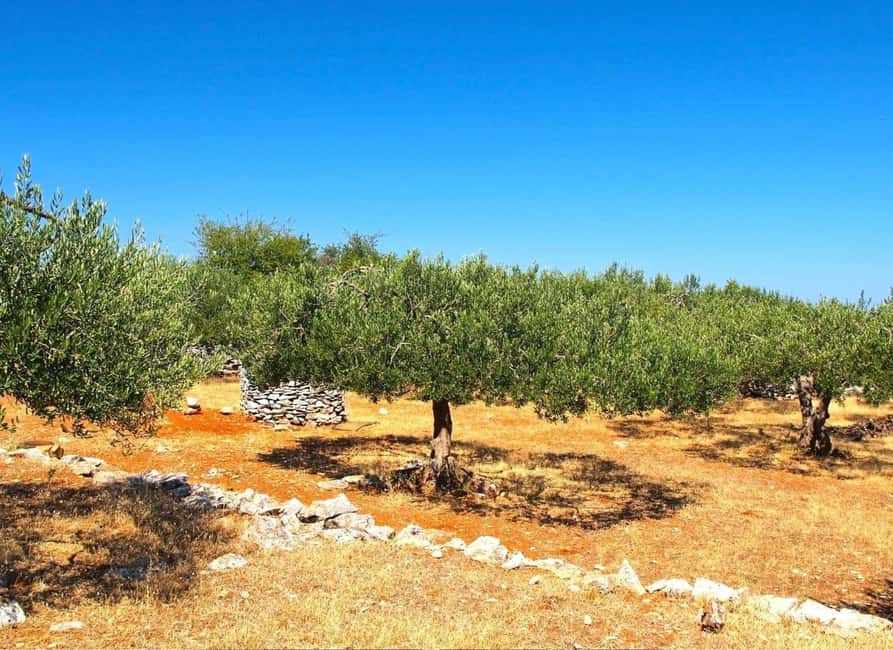
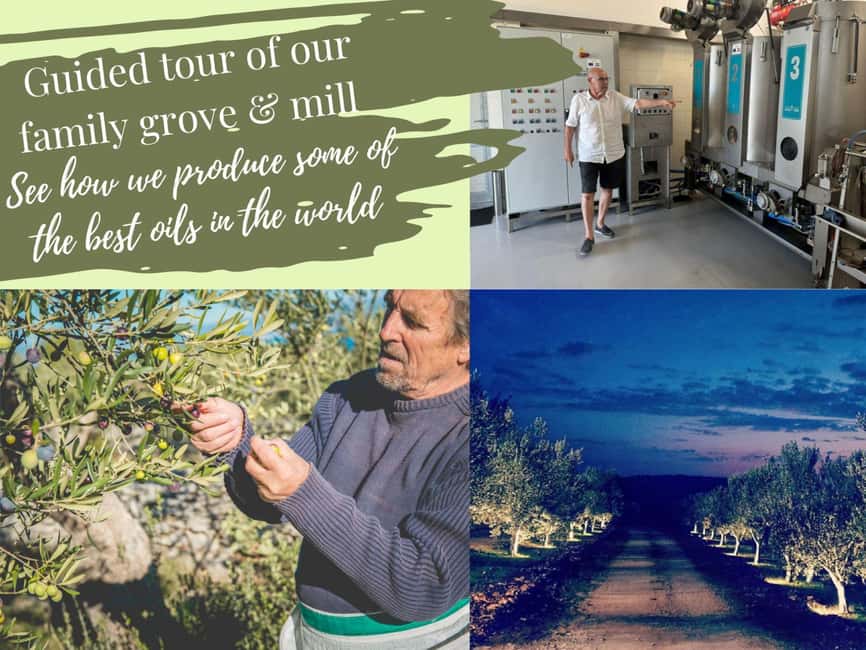
Then comes the heart of the tour: the visit to a family-owned olive grove and award-winning mill in the village of Lepuri. This is where the experience stops being “interesting tour stops” and becomes a hands-on look at craft.
You start with a welcome drink—local sparkling wine, described as Dalmatia’s answer to champagne style. Then you take a guided stroll through the olive trees. That walk isn’t just scenic; it sets up the tasting by tying flavor to land: the climate, the soil, and what generations of practice have shaped.
Inside the mill, you see how olives are turned into liquid gold using modern cold-press techniques rooted in generations of experience. Even if you don’t care about machinery details, it helps to understand the “why” behind the quality. Olive oil isn’t just a label—it’s the result of how fruit is handled and processed.
One practical benefit: you’re not expected to just sit and listen. This part of the day gives your brain a break between history segments, because you’re watching a process and smelling real products.
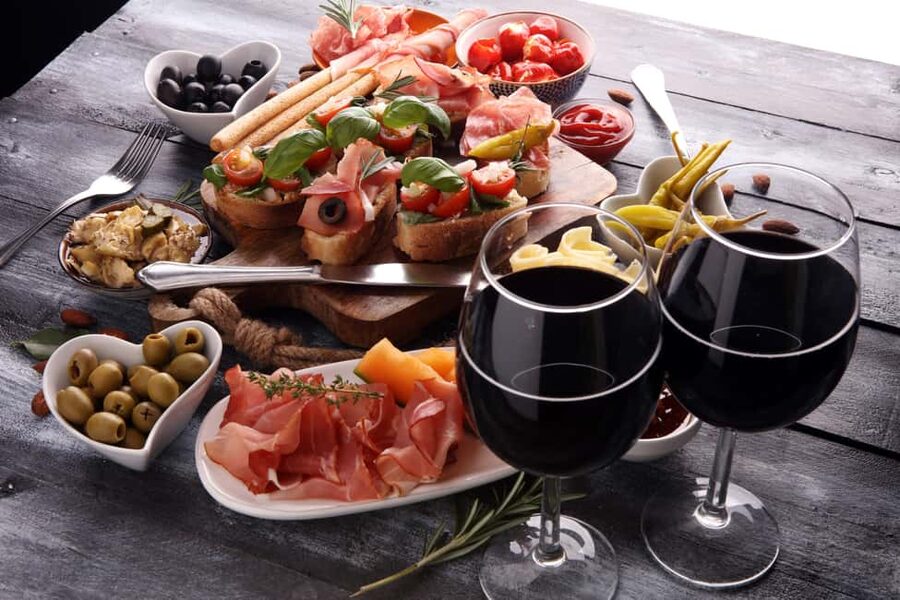
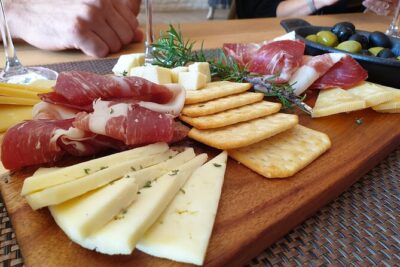
More tastings from the Ravni Kotari vineyards and the Zadar table.
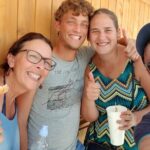
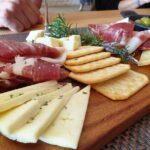
Olive oil tasting tuition: learning to taste polyphenols (without getting technical)
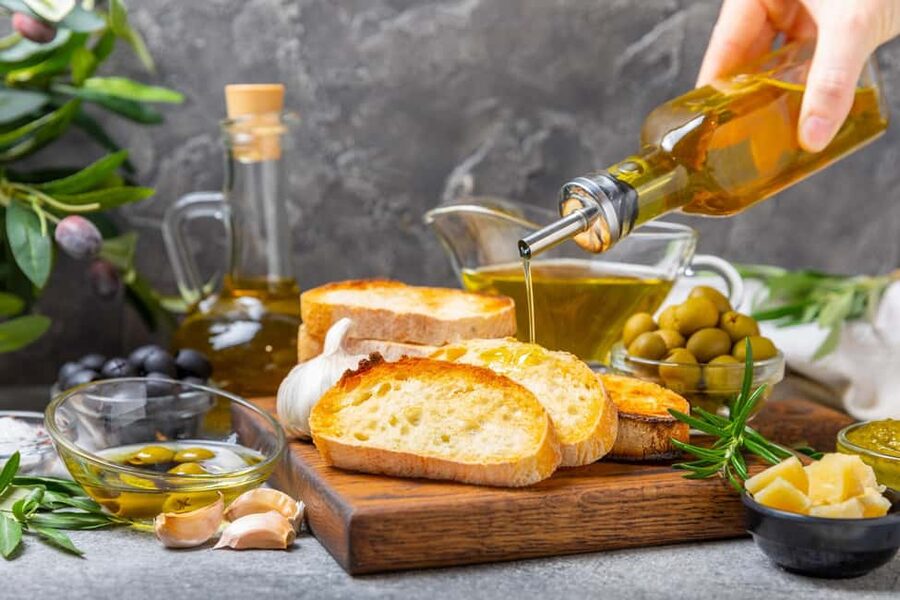
The olive oil portion is the star of the show, and it’s structured around something you can actually use later.
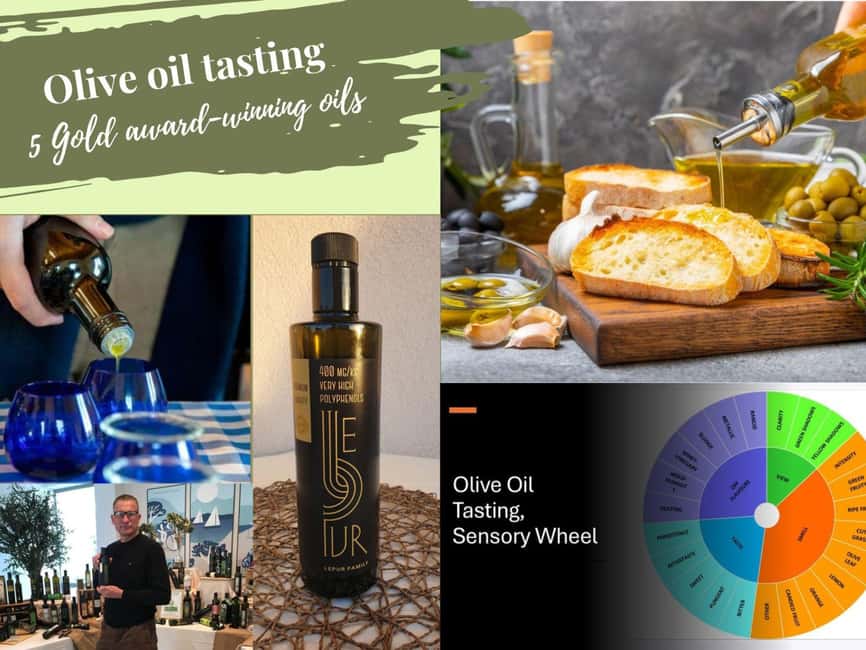
You’ll get guided tasting of award-winning extra virgin olive oils using different olive varieties and different polyphenol levels. The guide explains how to evaluate genuine quality—looking at aroma, balance, and the traits that often correlate with higher polyphenol content.
In plain terms, the tasting is about training your senses:
- Smell first, so you can map the oil’s character before you judge bitterness or peppery notes
- Taste in small sips, letting balance matter more than raw intensity
- Notice what “good” feels like, not just what you like on bread
You’ll also get health-focused context tied to oil quality, described as an olive oil and health experience. The goal isn’t to turn you into a scientist—it’s to help you avoid buying olive oil that’s only good marketing.
And yes, this is also where you’ll understand why the group format works. With a small number of people, the guide can correct your instincts—especially if you’ve only ever treated olive oil as a one-note condiment.
Wine tasting with regional grapes: sipping with the same logic as the oil
After olive oil tasting, you move into wine. This part includes guided sampling of local red and white wines, plus regional sparkling wine that’s served early on.
A key detail here is that the wines are described as coming from native Croatian grape varieties. That matters because it changes what you expect from the glass. Instead of importing a familiar benchmark, you start tasting what the region actually grows.
If you’re a “one sip and I’m done” wine person, you might find yourself lingering here anyway, mostly because the guide frames wine as another translation of place—just like oil. The tasting doesn’t feel random; it follows the same thread: land → craft → flavor.
You’ll also get tasty bites with the tastings. That keeps it from being too heavy, and it helps the flavors make sense together.
Traditional lunch option: extra value if you want the full day taste
A traditional Dalmatian lunch is available as an extra. The description says it’s made with seasonal local ingredients and drizzled with the finest olive oils, paired with the wine you like.
So the “included” plan covers snacks and tastings. The optional lunch is the add-on that turns it into a proper meal and makes the countryside feel like a real visit rather than a stop-and-go production.
If you do choose lunch, it’s worth treating it as part of the tasting lesson. The olive oil isn’t a garnish here—it’s part of the flavor structure. You’ll get more out of the day if you slow down for that last pairing before the final viewpoint.
Lake Vrana and Kornati views at Kamenjak Nature Park
To finish, you go to Kamenjak Nature Park, perched above Lake Vrana. This is the type of stop that earns its place at the end: you’re no longer learning through words, you’re soaking in the scale of the coast and islands you’ve been hearing about all day.
From up high, you get one of the best panoramic views over the Kornati Archipelago. It’s a fitting wrap because the tour has been moving between coast and hinterland, and now you’re looking out at the coastline system that shaped everything from trade to conflict.
If you like photography, this is where you’ll want your best light and a little patience. The viewpoint is the payoff moment, so don’t rush your eyes.
Logistics that actually matter: timing, group size, and what you’ll do
This is a 5-hour experience, typically starting at 12:00. The duration is listed as 4–5 hours, so plan your afternoon loosely; you’ll want time to decompress after the wine and tastings.
You’ll ride in an air-conditioned minibus for small groups (up to 8) or an air-conditioned coach (up to 16). That matters if you’re sensitive to heat or long drives in summer.
Your guide speaks Croatian and English, and there’s a live tour guide throughout. One more detail from the overall flow: it includes hinterland villages and transfers, so you’ll get that “Dalmatia away from the main road” feel without needing to rent a car.
Also, it’s not for kids under 12. If you’re visiting with younger children, you’ll need another plan.
Finally, yes—you can buy olive oil to take away. Even if you don’t plan to carry bottles, this is a good option if you want a real souvenir: something produced during the day you just spent learning how to taste it.
Price and value: why $52 is reasonable for what you get
At $52 per person, you’re paying for more than transportation and a few samples. The value comes from three cost-heavy pieces that many tours handle superficially:
- Guided olive oil tasting tuition focused on quality and polyphenols
- Mill and olive grove visit, including explanation of cold-press production
- Wine sampling plus snacks, and an optional lunch if you want it
Tastings don’t just mean pouring drinks. This format spends time teaching your senses and giving you context you can apply later. You also get multiple stops—viewpoints, a historic site, and the nature park finish—so it’s not a single-location experience.
If your budget is tight, the best way to judge value is simple: think about how much you’d pay in Dalmatia just for a credible extra virgin oil tasting session plus regional wine with snacks. This is bundled with the views and history so the day feels full.
Who this tour is perfect for (and who might not love it)
I think this works best for:
- Food lovers who want to learn how to taste olive oil beyond “good vs cheap”
- People who like short history stops paired with scenery and explanation
- Visitors who want a small group and a calmer, countryside feel
- Anyone interested in Dalmatia’s connection between coast and inland life
You might skip it if:
- You want a purely sightseeing day with lots of walking and museum time
- You dislike tastings and prefer meals only (this tour is tasting-forward)
- You’re traveling with children under 12 (not suitable)
Should you book this Šibenik olive oil, history, and tasting tour?
If you want a half-day that mixes panoramic views with real craft, I’d book it. The strongest reason is the structure: olive oil teaching, a family grove and mill, and a finish at Kamenjak Nature Park so you leave with both knowledge and a visual memory.
Also, this is a good choice if you’re the type of traveler who likes to bring something home that isn’t just a postcard—extra virgin olive oil that you understand well enough to choose again later.
If your idea of a perfect day is nonstop sightseeing with minimal food focus, consider another tour. But if you want Dalmatia in one compact dose—history, island views, and tasting skills—this is a solid call.
FAQ
How long is the Sibenik olive oil and tasting experience?
It runs about 5 hours (starting at 12:00). The duration is listed as 4–5 hours.
What time does the tour start?
The tour starts at 12:00, with pickup arranged at the bus station area.
Where do we meet and where does the tour end?
You meet at the central bus station in Šibenik, in a Silver Opel Mini Bus, and the tour ends back at the same meeting point.
Is this a small group tour?
Yes. It’s limited to 8 participants in a minibus (or up to 16 in a coach), and the group stays small.
What’s included in the tastings and food?
Included are olive oil tasting tuition, local wines (including a regional champagne-style sparkling wine plus red and white wine), and tasty bites. There’s also an olive oil and health experience plus olive grove and mill time.
Is lunch included?
Lunch is not included by default. A full traditional Dalmatian lunch is available as an extra.
Do you visit historic sites?
Yes. The itinerary includes historic stops where you learn about the region’s turbulent past as a strategic crossroad between coast and hinterland.
What viewpoints do you visit?
You visit viewpoint areas including Okit (Svetište Gospe od Karmela – Okit) and you finish at Kamenjak Nature Park with views over the Kornati Archipelago above Lake Vrana.
What languages are available?
The live tour guide is available in Croatian and English.
Is the tour suitable for children or older adults?
It’s not suitable for children under 12, and it’s not suitable for people over 95 years.
More Tour Reviews in Sibenik
More Wine & Food Tastings
More of Sibenik & the Riviera
After something else? More tours and days out around Sibenik



Sibenik Old Town & Riviera Tours, compared.
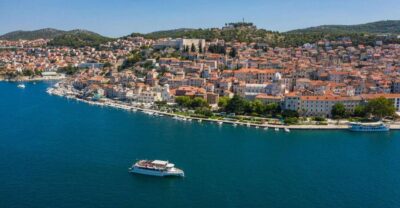 ★ 4.6Vodice: Krka Waterfalls National Park Boat TourFrom $93250 reviews
 ★ 5.0Private Sibenik Walking Historical Morning or Evening TourFrom $5493 reviews
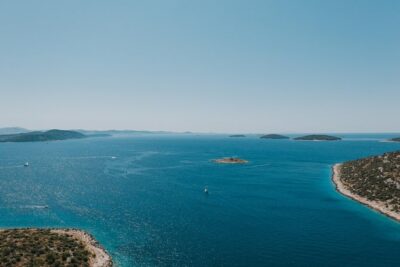 ★ 4.5Šibenik Riviera boat tour: Zlarin + Prvić + TijatFrom $14471 reviews
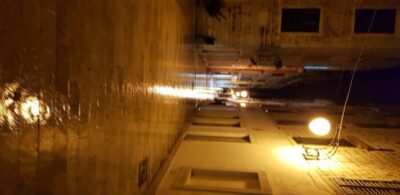 ★ 4.9Sibenik: Guided Evening Walking TourFrom $4562 reviews
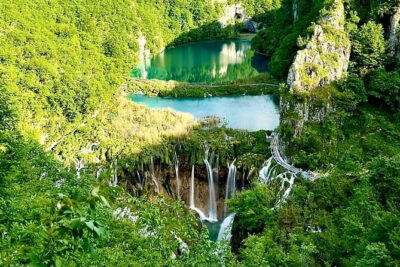 ★ 5.0Zipline Šibenik – Čikola CanyonFrom $8948 reviews
 ★ 4.5Krka Waterfalls National Park Boat Tour from VodiceFrom $18043 reviews
 ★ 4.0Kornati island National Park & Telascica Nature Park Boat Tour from VodiceFrom $8436 reviews
 ★ 5.0Sibenik Private Combined Food & Drink and Historical TourFrom $17836 reviews
Browse the lists this tour appears in