
Reviewed · ZADAR OLD TOWN WALKING TOURS
Zadar: Private Walking Tour Through 3,000 Years of History
Zadar’s old streets have a way of talking back. In just 2 hours, you get a private guide story that connects Roman Zadar, Venetian defenses, and today’s Sea Organ music at the water. I especially like how the walk links big eras to specific places you can actually stand on, and how the guide makes the modern installations feel earned, not random. One thing to plan for: you’ll visit churches, so knees and shoulders need to be covered.
I also like that this is truly private (a licensed local guide, not a crowd shuffle), with language support across English, French, Italian, German, Polish, Spanish, and Croatian. The only real drawback is simple: it’s a walking tour, so comfortable shoes and a bit of stamina help.
In This Review
- Key things that make this tour work
- 3,000 Years of Zadar in a Single, Logical Footpath
- Roman Forum Ruins: Where Public Life Happened
- Venetian Walls, Ottoman Pressure, and the Port of Fosa
- Kalelarga Street: The Main Old-Town Spine
- St. Donat and Zadar Cathedral: Big Symbols in Plain Sight
- Sea Organ and Greeting to the Sun: Harbor Art That Works
- Maraschino Liqueur Tasting: A 16th-Century Flavor You Can Actually Take Home
- Private Guide Value: What You’re Really Paying For
- Meeting Point, Timing, and What to Bring for the Smoothest Walk
- Who This Tour Fits Best (and Who Might Want Something Else)
- Should You Book This Private Zadar Walking Tour?
- FAQ
- What’s the duration of the tour?
- Is this a private tour, and how big can the group be?
- Where do we meet?
- Which languages are available for the live guide?
- Is maraschino liqueur tasting included, and are there any restrictions?
- What should I bring?
- Is the tour wheelchair accessible?
Key things that make this tour work
- Sea Organ music on the Riva promenade: hear the sea create sound and learn how it’s designed
- Roman Forum remains: you’ll see a major social hub from Roman Zadar
- Venetian walls and Ottoman-era defenses: history that explains why the city looks the way it does
- Kalelarga street walk: the main old-town axis that connects the landmarks
- St. Donat and St. Anastasia Cathedral: Zadar’s symbols in one logical route
- Maraschino cherry liqueur tasting: a 16th-century recipe, served with care about legal drinking
3,000 Years of Zadar in a Single, Logical Footpath
Zadar is one of those rare Mediterranean cities that keeps getting built on top of itself. The area has been continuously inhabited since around 1000 BC, and the city took on a clear Roman shape in the 1st century when it became a Roman colony. The tour’s format matters here: instead of giving you a history lecture, you move through town and let the eras line up naturally.
As you walk, the guide ties each stop to what was happening back then. That’s what makes this tour feel efficient. You’re not just collecting sights; you’re collecting clues. And because it’s private, you can ask follow-up questions without waiting for a headset timer to tell you when to move.
More walks around the old town, the Roman forum and the Sea Organ.
- Zadar: Plitvice Lakes with Boat Ride and Zadar Old Town Tour
★ 4.9 · 1,368 reviews - From Zadar: Plitvice Lakes with Boat Ride & Zadar Old town tour
★ 5.0 · 1,129 reviews - Zadar: Guided Walking Tour
★ 4.8 · 445 reviews - Krka Waterfalls, Food & Wine Tasting, Boat Ride & Zadar Old Town
★ 5.0 · 420 reviews
Roman Forum Ruins: Where Public Life Happened
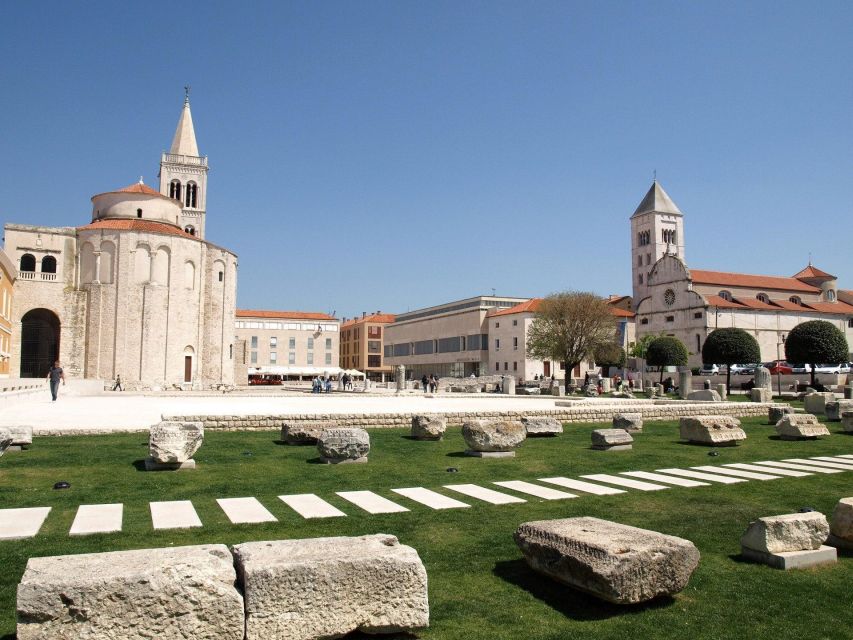
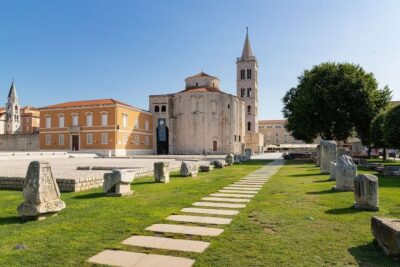
One of the most satisfying parts is the visit to the remains of the Roman Forum, described as the biggest built in Croatia. Forums weren’t quiet places. They were the social and public core of Roman city life—exactly the kind of site that helps you picture how ordinary people spent time, negotiated, and gathered.
What I like about focusing on the Forum is that it anchors the “ancient” talk in something physical. When you stand near Roman remains, the story stops being abstract. You start seeing the city as a system—where people met, where power showed up, and where daily life unfolded.
Practical consideration: Roman-era ruins can mean uneven ground and short stops for looking. Keep your pace steady, and don’t rush your photos—you’ll want time to understand what you’re looking at.
Venetian Walls, Ottoman Pressure, and the Port of Fosa
After the Roman layer, the tour shifts to Zadar’s long defensive logic. You’ll hear about the defensive walls built by the Venetian Republic in the 16th century, specifically as protection against the Ottomans. That detail is useful because it turns walls from scenery into strategy. You’ll be able to look at the urban layout and understand why certain areas would matter for defense.
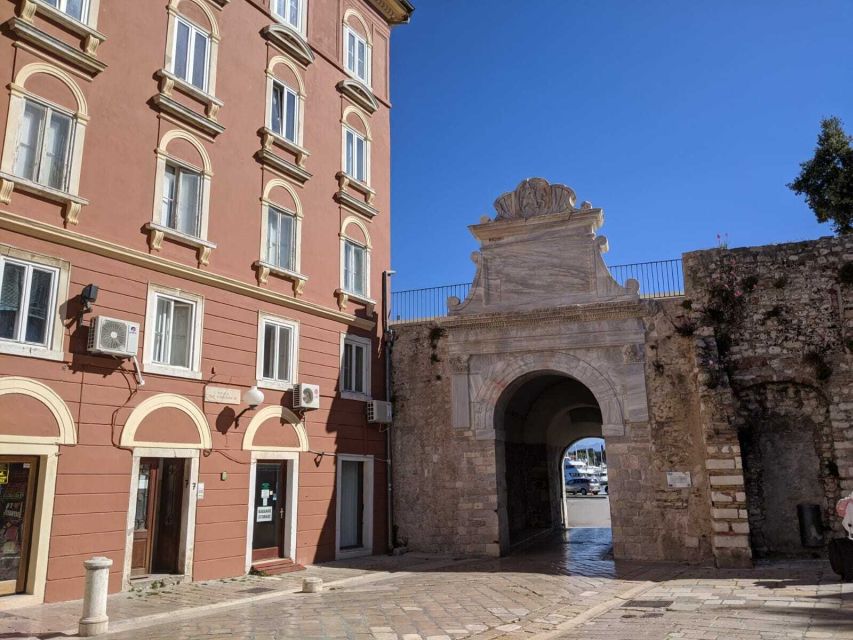
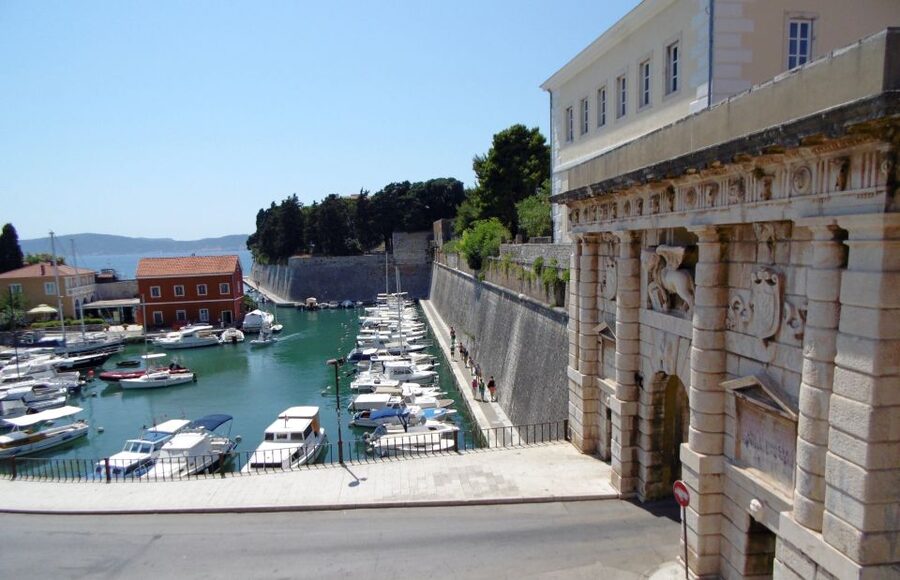
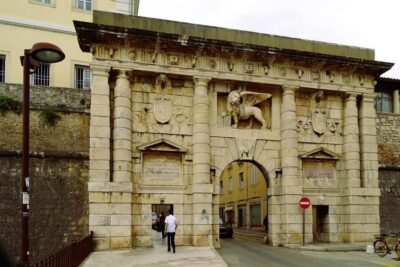
Then you’ll move toward the port of Fosa, including the view of the Land Gate. Ports are where history speeds up—trade, arrivals, departures, and political pressure all land in the same place. Even if you’re not a “port person,” this is one of those stops that helps you connect Zadar’s survival to the Adriatic shoreline.
A helpful mindset: treat each stop like a reason for the next one. The walk doesn’t feel random because the guide keeps connecting the dots.
Kalelarga Street: The Main Old-Town Spine
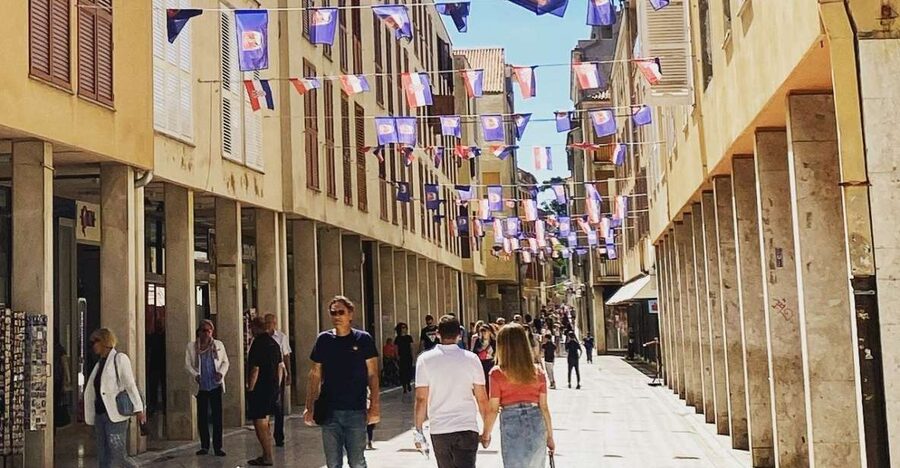
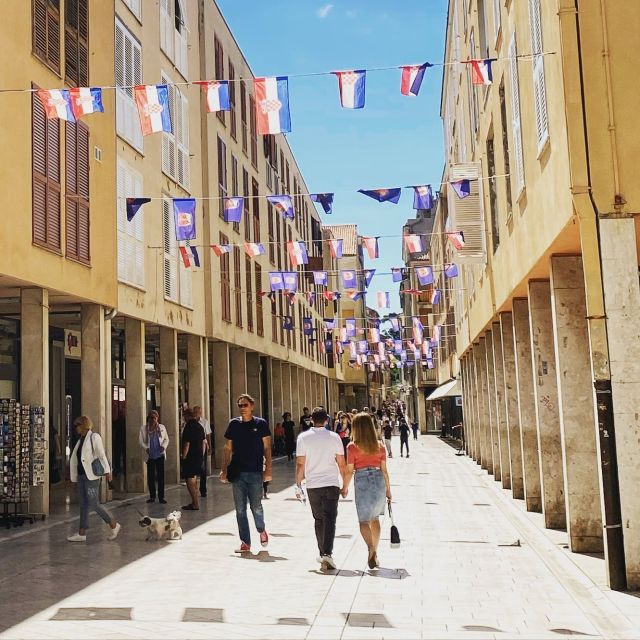
Next comes Kalelarga, the main and most famous street in Zadar’s old town. This is the segment where you feel how the city organizes itself around a central pedestrian corridor—where people would gather, shop, and move between landmarks.
Kalelarga is also a great reset point. You’re coming from walls and port imagery, and now you’re stepping into a street that gives you the rhythm of the city. If you like walking in a place that still “feels like itself,” this is where Zadar starts to click.
Tip for your comfort: go slow through this stretch. It’s not just a transit route; it’s a key sight.
More private trips, just your own group and skipper.



St. Donat and Zadar Cathedral: Big Symbols in Plain Sight
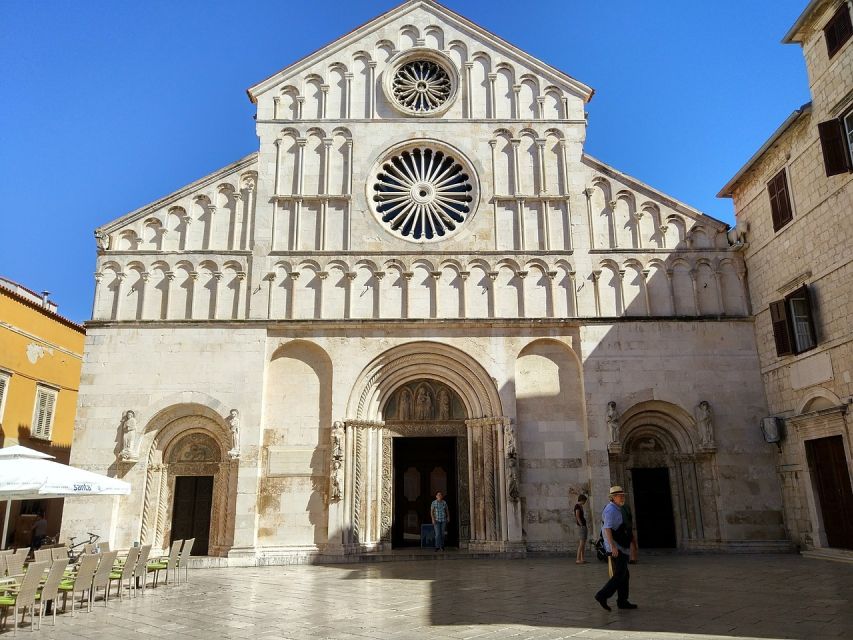
Now you get two landmarks that sum up Zadar’s identity quickly.
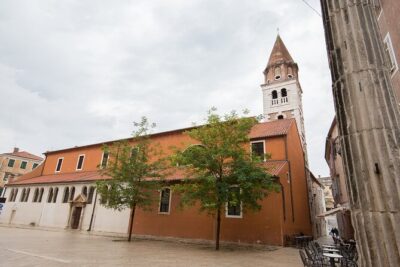
First is the church of St. Donat, often treated as a symbol of the city. Even if you only know it by reputation, it’s the kind of structure that makes you stop and stare. The guide helps you place it in Zadar’s story rather than leaving it as a photo op.
Then you’ll stand in front of Zadar Cathedral, dedicated to St. Anastasia. This is where the tour’s “why this matters” approach pays off. You’re not just looking at buildings; you’re getting meaning—religious power, cultural continuity, and how different eras left their fingerprints.
One real consideration: you’ll need to cover your knees and shoulders when entering the churches. If you’re touring in warm weather, plan ahead with a light layer. It’s the one dress issue that can actually slow you down if you’re unprepared.
Sea Organ and Greeting to the Sun: Harbor Art That Works
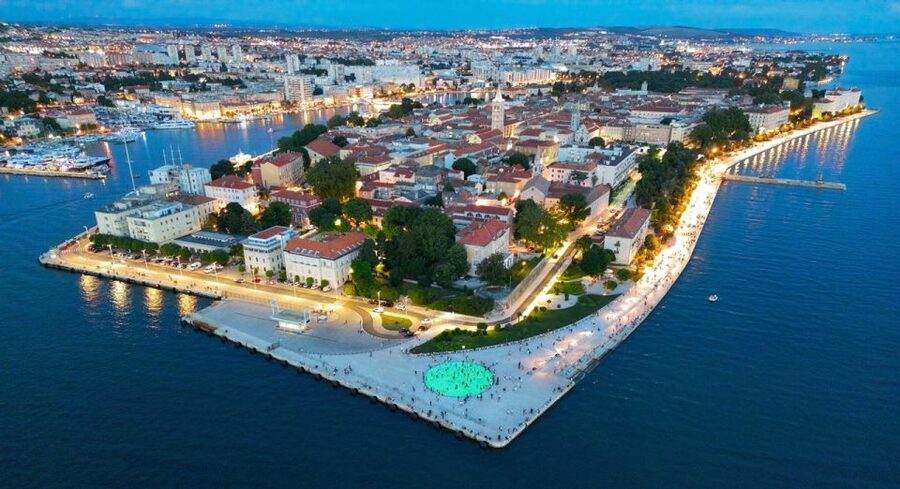
This is the part many people remember even when they forget the names of streets.
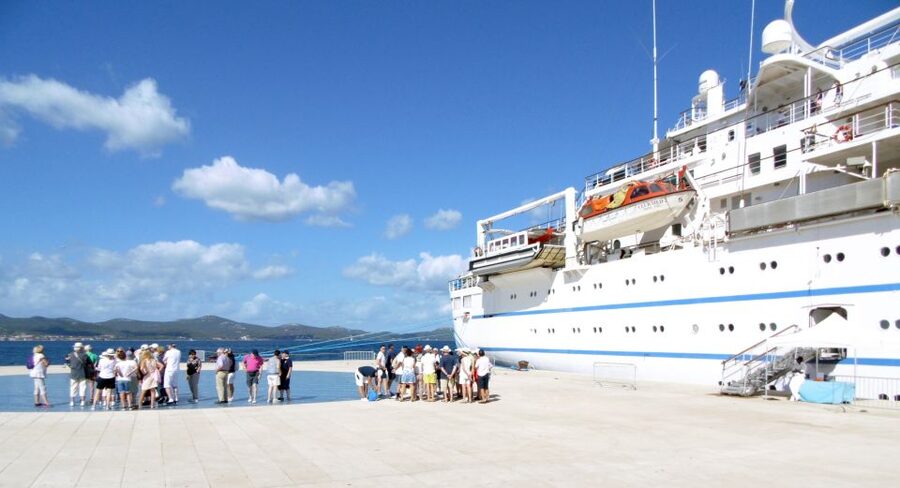
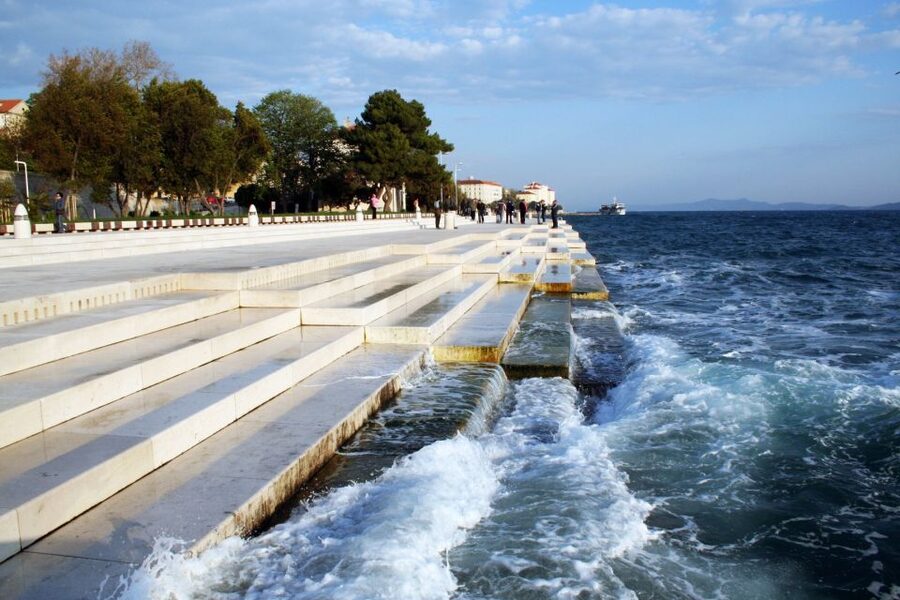
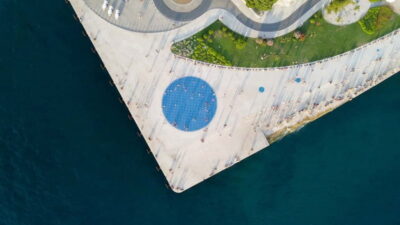
The tour takes you to the installations on the Riva promenade: the Sea Organ and the Greeting to the Sun. The Sea Organ is famous because it plays music through the action of the sea. You don’t need technical knowledge; you just need to stand there and listen while the guide explains what’s going on.
What makes this stop especially good on a guided walk is the timing and attention. The guide shares interesting facts so the sound feels intentional rather than magical. You’ll learn how the installation turns the movement of water into music—simple in concept, clever in execution.
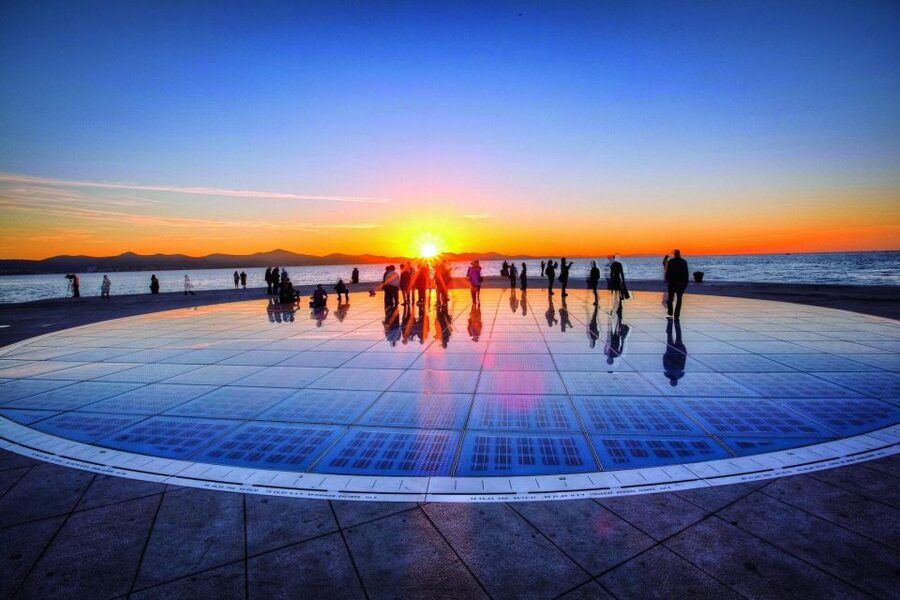
Then there’s the Greeting to the Sun, an art installation that adds another layer to your waterfront understanding. It’s modern, but it doesn’t feel separate from the city’s long relationship with the Adriatic. Together, these two pieces give you a “yesterday meets today” moment.
Small practical tip: this waterfront area can be breezy. Wear what you’ll be comfortable in when you pause for explanations.
Maraschino Liqueur Tasting: A 16th-Century Flavor You Can Actually Take Home
After the monuments and the shoreline, the tour shifts to something your senses can finish.
You’ll taste maraschino cherry liqueur, tied to a recipe dating back to the 16th century. That matters because maraschino isn’t just a sweet souvenir drink. It connects Zadar’s identity to older production traditions and the kind of long-lived local food culture that survives political change.
Do note the rules around tasting: maraschino liqueur is served only to participants allowed by law to consume alcohol. If you’re traveling as a group with mixed ages or preferences, that’s a good heads-up.
If you like food-and-drink moments on tours, this is one of the more meaningful inclusions here—because it’s specific to Zadar, not just a generic stop.
Private Guide Value: What You’re Really Paying For
The price is $288 per group, up to 15 people, and the tour lasts 2 hours. The best way to judge value is to think about what “private” buys you. You’re paying for a licensed local guide and a route that’s designed to make sense as one story, not a list of disconnected stops.
This becomes especially valuable if:
- you want enough time at each landmark to ask questions
- you’re traveling as a small group and don’t want to merge with strangers
- your group includes people who learn better by explanation than by reading plaques
Language also matters for value. The guide support includes French, Italian, Spanish, English, German, Polish, Croatian, which reduces the chance you’ll miss key details.
One review note worth paying attention to: guides such as Jalena have been praised for being excellent with English and for delivering lots of information without making the walk feel dragged out. That’s the sweet spot you want—clear explanations, good pace, and enough context to make you care.
And yes, small groups help. Even with a limit up to 15, you’ll feel the private format more than you would on a public “follow the leader” tour.
Meeting Point, Timing, and What to Bring for the Smoothest Walk
The meeting point is specific: a souvenir shop in a red building next to the Sea Gate at Poljana Pape Aleksandra III 7, 23000 Zadar, Croatia.
Plan to arrive a few minutes early so you’re not stressing in an old-town street maze. There’s no pickup or drop-off, so you’ll want to figure out your own arrival plan in advance.
What to bring:
- Passport or ID card
- Comfortable shoes
- Water
And don’t forget the church coverage rule: knees and shoulders need to be covered when entering.
Timing is also part of the experience. At 2 hours, this tour stays focused. It won’t feel like an all-day commitment, but it still gives you enough time to connect the main anchors: Roman, Venetian, landmarks, then waterfront installations and maraschino.
Who This Tour Fits Best (and Who Might Want Something Else)
This tour is a strong fit if you like history that stays grounded in place. You’ll get Roman Forum remains, Venetian defensive walls, iconic churches, and then the modern waterfront installations that make Zadar feel like a living city.
It’s also a good choice if you’re the type who wants a guide because:
- you prefer explanations over self-guided wandering
- you want the key landmarks connected into a single narrative
- you enjoy short, structured walks that leave you time to explore on your own afterward
If you’re the sort of traveler who dislikes brief stops and prefers long free time at one site, you might find a 2-hour route a bit tight. But if you want highlights with context, it’s exactly the right length.
Should You Book This Private Zadar Walking Tour?
Yes, book it if you want a 2-hour, private way to understand Zadar from Roman times through Venetian defense history and into modern waterfront art. The strongest reasons to choose it are the Sea Organ experience (with real explanation), the Roman Forum stop (not just a photo), and the St. Donat plus St. Anastasia combo that quickly shapes your understanding of the city.
Don’t book it only if you know you won’t like church interiors with the knees-and-shoulders requirement, or if you’re allergic to walking for two hours on an old-town route. Otherwise, this is a well-focused tour that gives you a lot of meaning per step—and a maraschino taste that actually feels like it belongs to Zadar.
FAQ
What’s the duration of the tour?
The tour lasts 2 hours.
Is this a private tour, and how big can the group be?
It’s a private group tour, priced per group up to 15 people.
Where do we meet?
Meet at a souvenir shop in a red building next to the Sea Gate at Poljana Pape Aleksandra III 7, 23000 Zadar, Croatia.
Which languages are available for the live guide?
The guide is available in French, Italian, Spanish, English, German, Polish, and Croatian.
Is maraschino liqueur tasting included, and are there any restrictions?
Yes, maraschino liqueur tasting is included. Alcohol is served only to participants who are allowed by law to consume alcohol.
What should I bring?
Bring passport or ID card, comfortable shoes, and water.
Is the tour wheelchair accessible?
Yes, the tour is wheelchair accessible.
More Tours in Zadar


More Tour Reviews in Zadar
More Old Town Walks
After something else? More tours and days out around Zadar




Zadar Old Town Walking Tours, compared.
 ★ 4.9Plitvice Lakes with Boat Ride and Zadar Old Town TourFrom $531,368 reviews
 ★ 5.0Plitvice Lakes with Boat Ride & Zadar Old town tourFrom $541,129 reviews
 ★ 4.8Guided Walking TourFrom $17445 reviews
 ★ 5.0Krka Waterfalls, Food & Wine Tasting, Boat Ride & Zadar Old TownFrom $52420 reviews
 ★ 5.0Zadar City Tour 120min WalkFrom $32203 reviews
 ★ 5.0Zadar Walking Tour sponsored by Gligora Cheese and deli.From $18119 reviews
 ★ 4.4Virtual Reality Guided History Walking TourFrom $3586 reviews
 ★ 4.8Culinary Walking Tour with Food TastingsFrom $12863 reviews
Browse the lists this tour appears in