
Reviewed · ZADAR OLD TOWN WALKING TOURS
History Walking Group Tour in Old Center of Zadar
Zadar’s Old Town teaches fast. I love how the tour packs big landmarks into a tight 1-hour format, and I also like the way it links medieval sites to what life looks like today. The only real catch is that it’s a short walk, so you’ll need comfy shoes and a willingness to keep moving.
You start at Five Wells Square with a licensed guide, then you’ll follow the main old-town highlights while hearing stories that connect Roman, medieval, and modern Zadar. Expect clear explanations in English and a route that covers the city’s key photo stops plus the deeper context behind them.
In This Review
- The vibe: history with everyday context
- Key highlights worth aiming for
- Entering Zadar at Five Wells Square
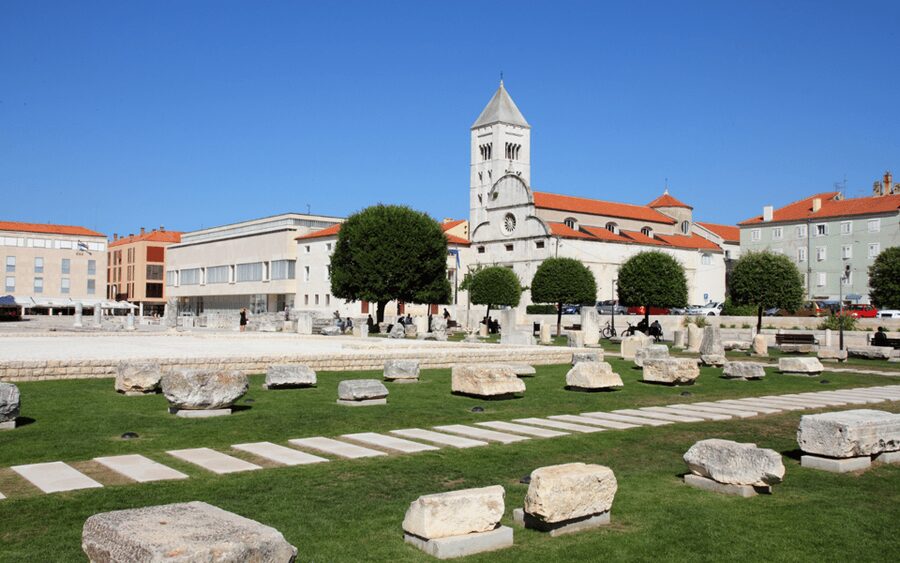
- Roman Forum and Captain Tower: Reading the city’s older layer
- Kalelarga and People’s Square: Where the old town still works
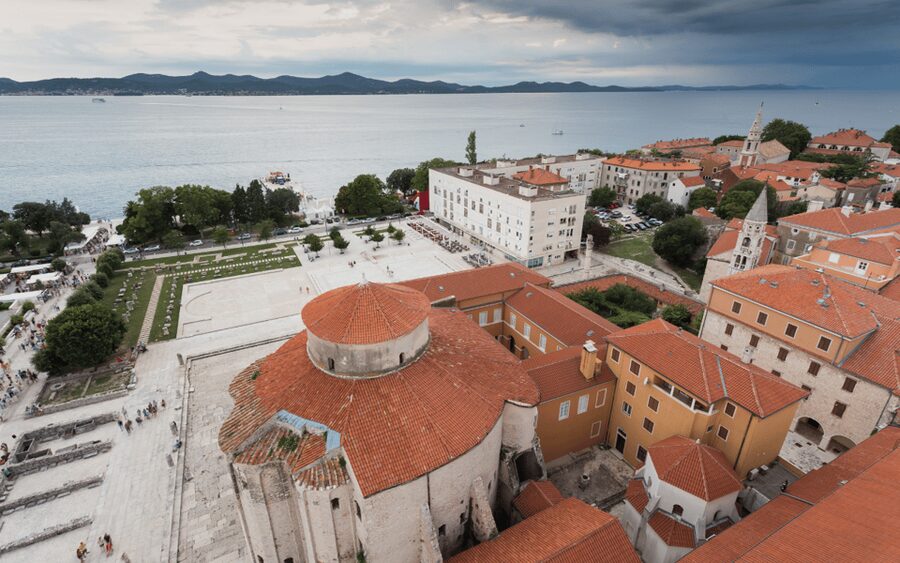
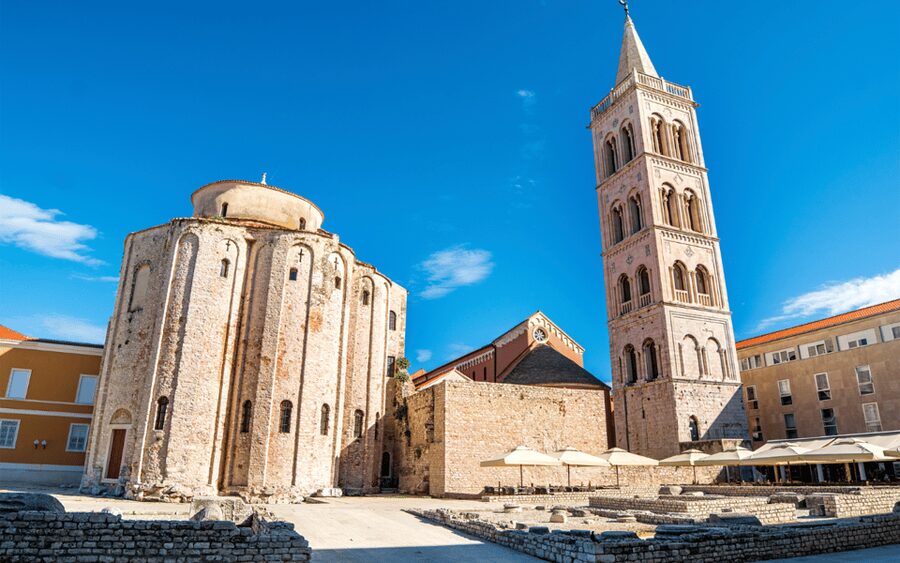
- St. Donatus Church: The landmark that ties eras together
- St. Anastasia’s Cathedral: Another major stop, with a different feel
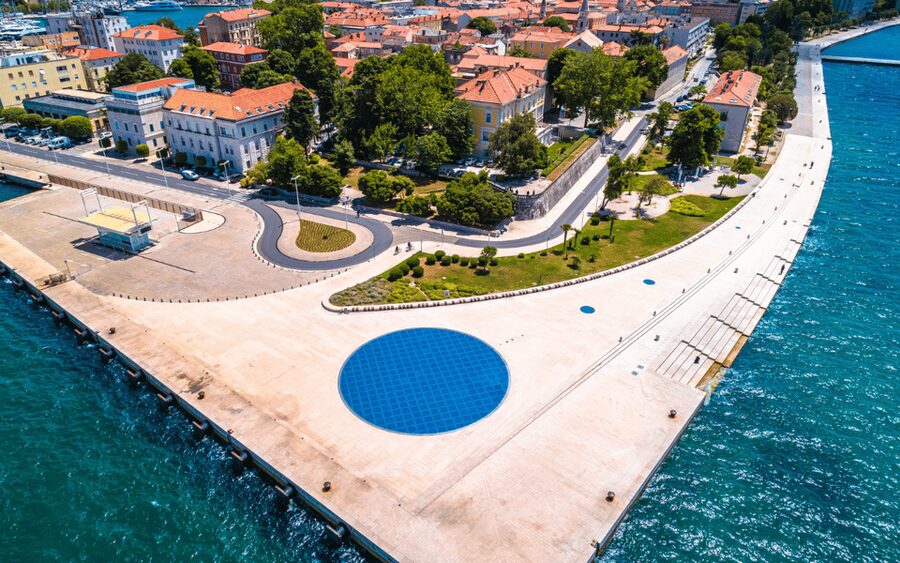
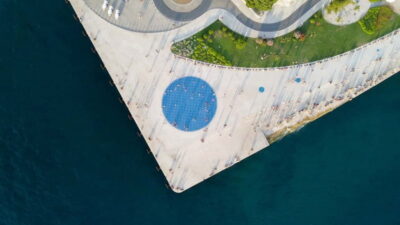
- Sea Organ: Modern Zadar’s signature sound
- Price and pace: What $21 gets you in real terms
- Who this tour is best for (and who should skip it)
- Quick practical tips before you go
- Should you book the Zadar History Walking Group Tour?
- FAQ
- How long is the Zadar History Walking Group Tour?
- Where do we meet for the tour?
- What are the main places included on the walk?
- Is the tour offered in English?
- Is a licensed guide included?
- Are food and drinks included?
- Can I cancel for a full refund?
- Is there a reserve now, pay later option?
The vibe: history with everyday context
This is the kind of walking tour that works because it doesn’t treat Zadar like a museum display. You get a guided orientation to the city—then you walk through the places that still shape how Zadar feels now. It’s also practical: no food is included, so it’s easy to combine with whatever meal plan you already have.
If you like tours where the guide turns buildings and street plans into understandable stories, this one fits. One verified booking (Chris, United Kingdom) summed it up simply: the tour was very good, and the guide was very informative.
Key highlights worth aiming for
- Five Wells Square meet-up that gets you oriented fast
- St. Donatus Church explained as more than a postcard stop
- Roman Forum and other Roman-era cues you can still spot today
- Kalelarga and People’s Square for the old-town street-level feel
- Sea Organ, where modern design meets the sound of the sea
- 1-hour English format that’s great for limited time
More walks around the old town, the Roman forum and the Sea Organ.
- Zadar: Plitvice Lakes with Boat Ride and Zadar Old Town Tour
★ 4.9 · 1,368 reviews - From Zadar: Plitvice Lakes with Boat Ride & Zadar Old town tour
★ 5.0 · 1,129 reviews - Zadar: Guided Walking Tour
★ 4.8 · 445 reviews - Krka Waterfalls, Food & Wine Tasting, Boat Ride & Zadar Old Town
★ 5.0 · 420 reviews
Entering Zadar at Five Wells Square
Five Wells Square is a strong starting point because it’s central and easy to find, and it gives you a quick mental map. Before you move into the side streets, you get an introduction to Zadar itself, led by a licensed guide. That first context matters—without it, you can end up treating the sights like separate stops instead of one connected story.
The tour also keeps the logistics simple. The meeting point is the square, and your guide contacts you in advance via WhatsApp or email so you can locate the group without stress. In a place where streets can twist quickly, that small bit of coordination helps you settle in.
What I like most about the start is that it sets expectations for the whole walk. You’re not just being shown what’s famous; you’re being taught what to notice as you go—materials, shapes, street patterns, and what the landmarks meant in different periods.
Roman Forum and Captain Tower: Reading the city’s older layer
One of the big draws here is the Roman presence you’ll see and learn about. The Roman Forum stop is your cue that Zadar was built on a much older foundation than the medieval landmarks most visitors picture. Even if you’re not a history buff, the guide’s job is to connect what you’re standing near with how the city functioned long ago—civic space, power, and public life.
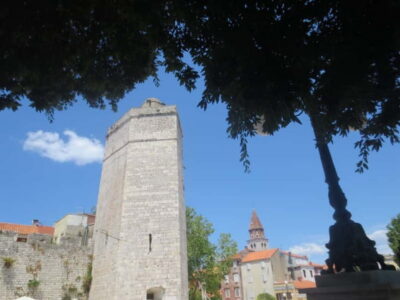
Then there’s Captain Tower. Even when you’re just looking at it from outside, a tower like this becomes a visual bookmark. It helps you understand how Zadar defended itself and how authorities watched over the old town. On a short tour, those “anchor points” are especially useful. They help you remember what period you’re looking at as you move from square to street to church.
Practical tip: don’t rush past the small details. If the guide points out architectural cues or explains what the location was used for, pause for a few seconds and actually look. In one hour, you can miss the best parts if you’re just filming.
Kalelarga and People’s Square: Where the old town still works
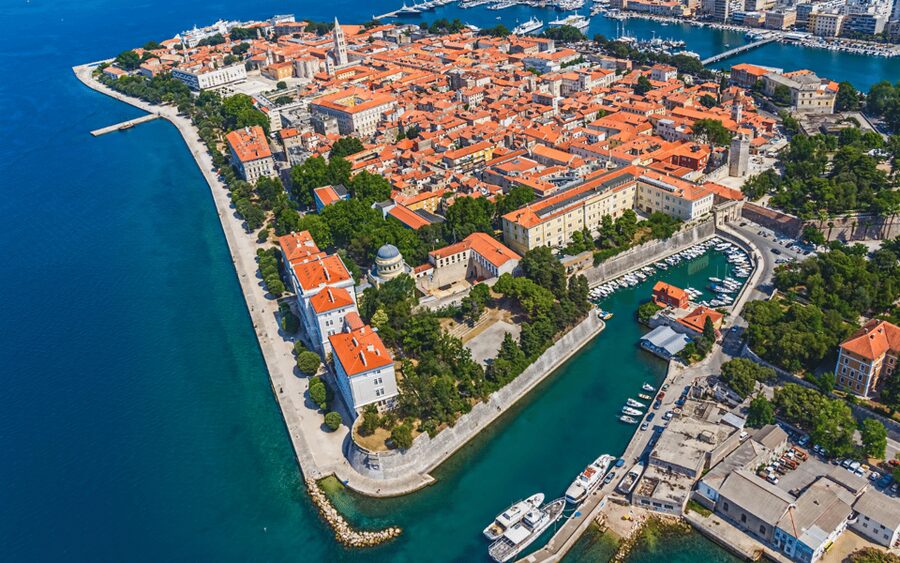
Not all value on this tour comes from ancient stone. Stops like Kalelarga and People’s Square matter because they show you how the old town fits modern routines. This is where the tour does something I appreciate: it doesn’t only focus on what was built—it also explains how the spaces live on.
Kalelarga is the kind of street you can walk many times after your tour, and that’s a good thing. If the guide explains what you’re seeing and why the street matters, you’ll later feel more confident wandering independently. You’ll know you’re not just walking randomly—you’re following a spine the city has used for a long time.
People’s Square gives you another angle: a public space that helps you understand how Zadar gathers people. Even if you’re passing through quickly, the guide’s framing can help you read the space the way locals do: as a place that supports daily life, not only sightseeing.
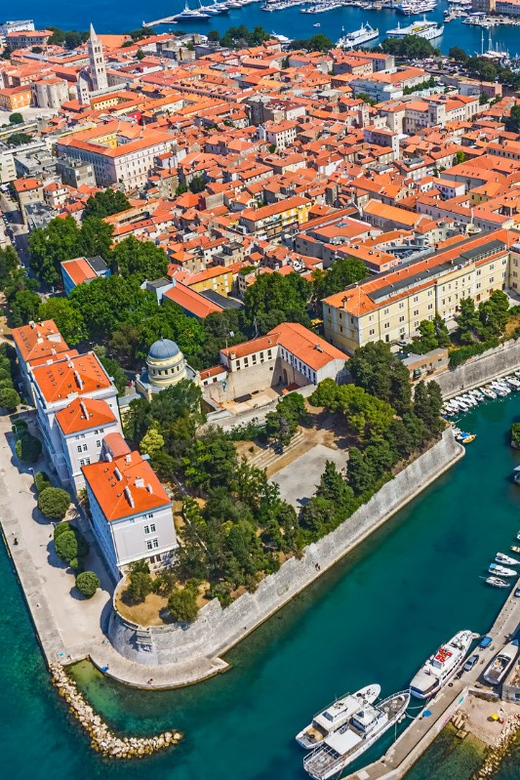
More of the three thousand years behind Zadar.





St. Donatus Church: The landmark that ties eras together
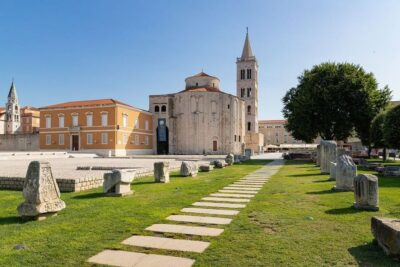
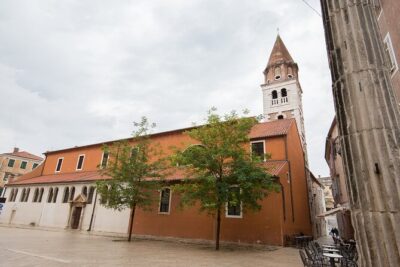
St. Donatus Church is one of the most recognizable stops for the tour, and for good reason. It’s the kind of site where the building form is so distinct that it almost forces a second look. The guide’s job here is to give it meaning beyond appearance—what it represents in the city’s past, how it fits into Zadar’s historical development, and why it became such an icon.
When you’re on a short, 60-minute walk, this kind of anchor stop pays off. If you learn what makes the church special, you can later compare it to other Adriatic sites you might visit. It becomes a reference point instead of just a photo.
Also, be ready for timing and walking pace. You may not get long inside every landmark (the tour is only one hour), so take advantage of the guide’s explanation at the right moment and don’t expect to linger for long breaks.
St. Anastasia’s Cathedral: Another major stop, with a different feel

Another included highlight is St. Anastasia’s Cathedral. Like St. Donatus, it’s a sight that many people recognize, but the cathedral stop tends to land differently. Expect the guide to connect its place in Zadar’s religious and architectural story—how it fits into the bigger sweep of what the city built over time.
This is where it helps to listen for contrasts. Zadar isn’t one single style locked in time. It’s layers—different eras leaving their marks. Seeing major religious buildings back-to-back gives you an immediate sense of how Zadar changed while still keeping its identity.
If you’re the type who likes architecture, pay attention to what the guide emphasizes: materials, form, and why these buildings mattered to the community. On a short tour, the guide’s focus is basically your shortcut to what’s worth noticing.
Sea Organ: Modern Zadar’s signature sound

The most unique included highlight is the Sea Organ. This is where the tour shifts from old stone to modern creativity, and it’s a strong way to end your experience with something that feels unmistakably Zadar.
The Sea Organ is special because it’s not just visual. It’s about sound—how the sea interacts with the design to create tones you can experience on location. Even if you don’t know what to expect, it’s the kind of stop that makes you slow down, listen, and realize Zadar has a present-day identity, not just a past.
Why this stop is valuable on a history walk: it shows continuity in a clever way. Zadar’s relationship to the sea has shaped it for centuries, from settlement and trade to today’s public art and listening spaces. That’s a connection your brain keeps after the tour.
Practical note: if it’s cold or windy, you might feel it more near the waterfront. Bring a light layer if you run warm-to-cold easily, and keep your attention on the guide’s timing so you don’t miss the moment to hear how it works.
Price and pace: What $21 gets you in real terms
At about $21 per person for a 1-hour guided walk, the value comes from two things: a licensed guide and the density of major stops packed into a short time window. For many visitors, time in Zadar is limited. This tour is designed to give you a fast, organized introduction to the old town’s key landmarks without you having to plan a route yourself.
It’s also a good budget option because it doesn’t assume you’ll buy meals during the walk. Food and drinks are not included, which actually helps if you already have plans for lunch or dinner.
The main consideration is pace. With multiple big-name sights on the schedule, the tour works best when you’re willing to keep moving and absorb the explanation in short bursts. If you prefer slow wandering, long museum-style stops, or lots of time to sit and read, you may want to add free time after the tour to linger.
Who this tour is best for (and who should skip it)

This is a great fit if you want:
- A fast orientation to Zadar’s Old Town highlights
- An English guide with enough context to connect sites into one story
- A simple, budget-friendly plan that you can combine with other activities
It’s less ideal if you hate walking tours or need long breaks at each stop. Also, because it’s only one hour, it’s not built for deep scholarly study. You’ll get strong guidance, but you won’t get an hours-long slow tour where every detail gets time to breathe.
Quick practical tips before you go
- Wear shoes you can walk in for an hour without fuss.
- Bring water if you know you get thirsty; it’s not included.
- When the guide speaks at a landmark, stop trying to multitask. This tour’s value is in those explanations you can’t recreate from a sign alone.
If you want to make the most of Sea Organ, be ready to listen rather than only look. It’s one of those “stand here and experience it” moments that pays off when you give it your attention.
Should you book the Zadar History Walking Group Tour?
I’d book it if you’re in Zadar for a short stay or you want your first day in the old town to feel organized and guided. The $21 price is reasonable for what you get: a licensed English guide and a focused walk that hits St. Donatus Church, the Roman Forum area, and the Sea Organ—plus the in-between streets that make the city feel like a place, not a set.
I’d think twice if you prefer slow travel, want long stops inside buildings, or plan to spend most of your time photographing rather than listening. For everyone else, this is an efficient way to learn what you’re seeing and then enjoy the rest of Zadar with better context.
FAQ
How long is the Zadar History Walking Group Tour?
The tour lasts 1 hour.
Where do we meet for the tour?
You meet at Five Wells Square.
What are the main places included on the walk?
The highlights include St. Donatus Church, the Roman Forum, and the Sea Organ, along with other Old Town sights such as Captain Tower, Kalelarga, and People’s Square.
Is the tour offered in English?
Yes, the live tour guide speaks English.
Is a licensed guide included?
Yes. The tour includes a licensed tour guide.
Are food and drinks included?
No. Food and drinks are not included.
Can I cancel for a full refund?
Yes. You can cancel up to 24 hours in advance for a full refund.
Is there a reserve now, pay later option?
Yes. You can reserve and pay later.
More Tours in Zadar



More Tour Reviews in Zadar

More Old Town Walks
After something else? More tours and days out around Zadar




Zadar Old Town Walking Tours, compared.
 ★ 4.9Plitvice Lakes with Boat Ride and Zadar Old Town TourFrom $531,368 reviews
 ★ 5.0Plitvice Lakes with Boat Ride & Zadar Old town tourFrom $541,129 reviews
 ★ 4.8Guided Walking TourFrom $17445 reviews
 ★ 5.0Krka Waterfalls, Food & Wine Tasting, Boat Ride & Zadar Old TownFrom $52420 reviews
 ★ 5.0Zadar City Tour 120min WalkFrom $32203 reviews
 ★ 5.0Zadar Walking Tour sponsored by Gligora Cheese and deli.From $18119 reviews
 ★ 4.4Virtual Reality Guided History Walking TourFrom $3586 reviews
 ★ 4.7Private Walking Tour Through 3,000 Years of HistoryFrom $28871 reviews
Browse the lists this tour appears in