

Reviewed · ZADAR OLD TOWN WALKING TOURS
Zadar: Old Town Highlights Guided Walking Tour
The easiest way to understand Zadar is on foot. This 60-minute Old Town walking tour strings together the big-name sights and the little city details that help it all click. I especially like how it moves from Roman-era landmarks to the working life of the old streets, and how the commentary covers both history and culture without turning into a lecture.
Two things make it a good value at $18 per person: you get a clear route through key stops, and the guiding style matters here. In the best cases, guides bring energy and preparation, and I’ve heard compliments that point to Livia being sunny, empathetic, and professional. One watch-out: if your group mixes paid spots with other free-tour participants, the pace can slow down and the walk may run longer than you’d planned.
In This Review
- Key highlights at a glance
- Why Zadar’s Old Town Works So Well in 60 Minutes
- Five Wells Square: Starting With Orientation in the Right Spot
- Roman Forum to Captain Tower: How Power Shows Up in Stone
- Kalelarga and People’s Square: The Streets Where the City Breathes
- St. Donatus Church and St. Anastasia’s Cathedral: Two Icons, Different Moods
- Sea Organ: The Modern Stop You’ll Remember With Your Senses
- Price and Logistics: Is $18 Good Value for This Walk?
- How to Make the Most of It (Even If Your Walk Feels Fast)
- Should You Book This Zadar Old Town Highlights Tour?
- FAQ
- How long is the Zadar Old Town Highlights Guided Walking Tour?
- Where is the meeting point for the tour?
- What should I look for when I arrive?
- Is hotel pickup or drop-off included?
- What languages is the tour available in?
- What sights does the tour cover?
- Can I pay later and get a refund if plans change?
Key highlights at a glance
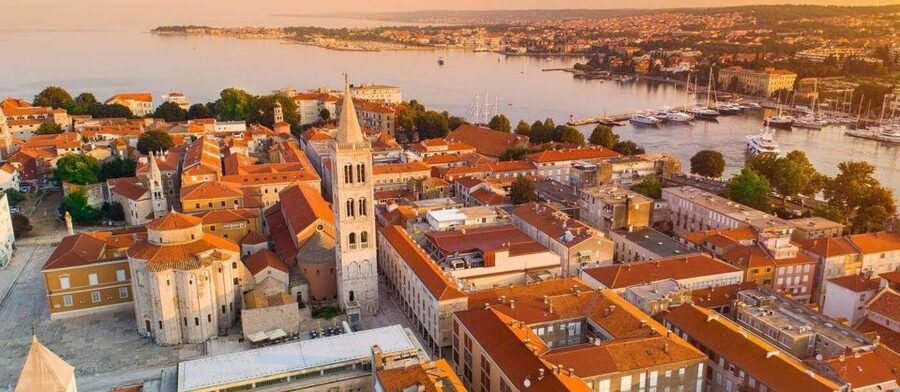
- A tight 60-minute route that covers the Old Town’s main hits without dragging
- Five Wells Square as a smart starting point for orientation right away
- Top landmarks including Roman Forum, Captain Tower, St. Donatus Church, and St. Anastasia’s Cathedral
- Kalelarga Street and People’s Square for the everyday feel of Zadar, not just monuments
- Sea Organ for the modern side of the city you can actually experience with your senses
Why Zadar’s Old Town Works So Well in 60 Minutes
Zadar is one of those places where you can waste time if you wander randomly. The old lanes are pretty, but your first hour can vanish fast if you don’t have a path. This tour solves that with a compact format: 60 minutes, focused on the most recognizable Old Town landmarks plus a couple of places where locals likely pass through every day.
What you’ll like is the balance. It’s not only about old stones and dates. The route includes spots that show how the city works now, which is exactly what you want in a short walking window. And at this time scale, you won’t feel stuck with a “now you must listen” vibe. Instead, you get stops that naturally invite questions: what this structure was for, why this street became important, and what the modern Zadar experience looks like next.
The main consideration is simple: if you’re expecting a slow, photo-first stroll, 60 minutes can feel like you’re moving. The pacing is intentional. If you want extra time at a single stop, plan to return on your own after the tour.
More walks around the old town, the Roman forum and the Sea Organ.
- Zadar: Plitvice Lakes with Boat Ride and Zadar Old Town Tour
★ 4.9 · 1,368 reviews - From Zadar: Plitvice Lakes with Boat Ride & Zadar Old town tour
★ 5.0 · 1,129 reviews - Zadar: Guided Walking Tour
★ 4.8 · 445 reviews - Krka Waterfalls, Food & Wine Tasting, Boat Ride & Zadar Old Town
★ 5.0 · 420 reviews
Five Wells Square: Starting With Orientation in the Right Spot
Most good city tours begin with orientation, and Five Wells Square does that job. You meet at Trg Pet Bunara and find your guide at Five Wells Square using a sign that reads My Special Tour. The meeting setup is pretty straightforward, and the fact that the tour returns to the same meeting point is convenient. It makes it easy to keep exploring after, without needing to navigate transportation or a new endpoint.
Before you start walking, you get an introduction designed to set the tone: what to look for, how the Old Town is laid out, and how the city’s story connects across centuries. That matters more than it sounds. When you understand why certain buildings cluster where they do, every corner you turn later feels less random.
I also think this is where the guiding quality shows. On tours like this, the guide’s personality can steer the whole experience. People have praised guides for being upbeat and funny while still staying on track with details. When the opener is strong, the rest of the walk is easier to follow, especially if you’re visiting for the first time.
Roman Forum to Captain Tower: How Power Shows Up in Stone
The tour’s opening landmarks do more than look impressive. They help you read the city like a map of old priorities. The Roman Forum stop is a classic example: it anchors you in the idea that Zadar’s Old Town grew from strategic importance, not just aesthetic choices. Even if you don’t memorize every fact, seeing the space and hearing what it used to represent gives you a better sense of scale.
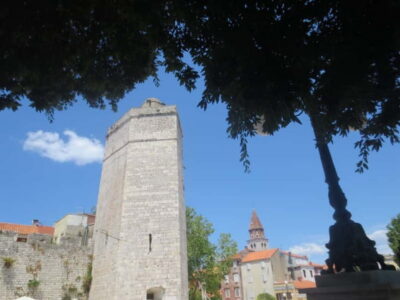
Then you move toward the Captain Tower, another stop where function matters. Towers aren’t decorative. They’re about control, visibility, and communication. Hearing why it was positioned the way it was helps you understand the skyline instead of just noticing it.
Here’s the practical angle: with a quick guided route, you’re not supposed to turn into an architecture expert. You’re meant to leave with a few mental anchors. Roman Forum and Captain Tower become those anchors—places your brain can connect to later when you’re walking outside the tour.
One more thing I like about this section is how it sets expectations. Once you’ve seen how the tour treats the early landmarks, you know the later stops aren’t random photo stops. They’re part of the same story arc.
Kalelarga and People’s Square: The Streets Where the City Breathes
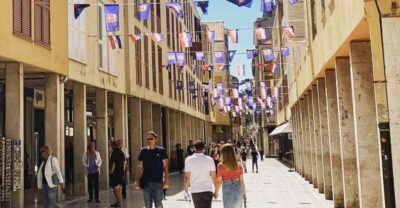
After the bigger monuments, you reach Kalelarga Street—and this is where the tour turns from grand to human. Kalelarga is the kind of street that feels made for lingering: it connects key sights and it’s the sort of place you’ll recognize again if you explore later on your own. The guide’s commentary helps you see it as more than a corridor of storefronts.
From there, you hit People’s Square. The value here isn’t just what the square looks like; it’s why squares matter. They’re where movement slows, conversations gather, and public life happens. On a short tour, stopping at a square gives you a chance to reset your pace. You can look around, take photos, and absorb what’s changed over time in the same urban space.
If you like tours that show the city’s rhythm, this is the section you’ll enjoy most. It’s also a good moment to ask questions. Guides who are prepared tend to handle questions quickly while keeping the tour moving.
More days out with a local guide who knows the coast.




St. Donatus Church and St. Anastasia’s Cathedral: Two Icons, Different Moods
Religious buildings can go one of two ways on tours: either the guide plows through details too fast, or the stop feels like a checklist. This tour’s structure helps because it isn’t trying to cover everything. Instead, you get two of Zadar’s major church anchors: St. Donatus Church and St. Anastasia’s Cathedral.
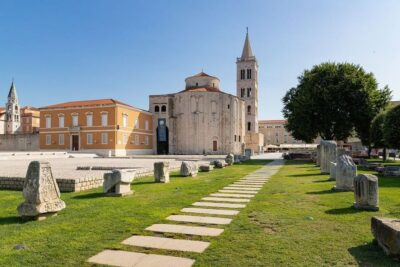
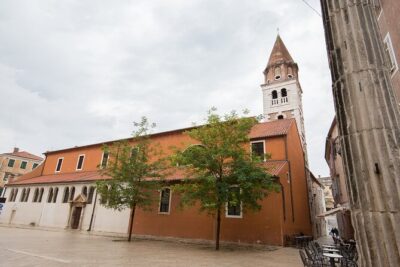
St. Donatus Church often draws attention for its iconic presence, and hearing the significance behind it changes how you see the exterior. You start noticing details you’d otherwise overlook, like the way the building’s form communicates importance. Even if you’re not deeply religious, you can appreciate architecture as a statement of identity.
Then there’s St. Anastasia’s Cathedral, which adds a different tone. A cathedral can feel grand, but on this route it’s presented in a way that helps you connect it to the city’s life, not just its art history. The guide’s job here is to make the building feel legible—what you’re looking at and why it matters in Zadar’s timeline.
If you’re the type who enjoys churches mainly for atmosphere, you’ll probably find these stops more enjoyable with time to look. The tour duration is short, so don’t expect a long sit-down. But the pay-off is that you’ll know which elements deserve your attention later when you go back.
Sea Organ: The Modern Stop You’ll Remember With Your Senses
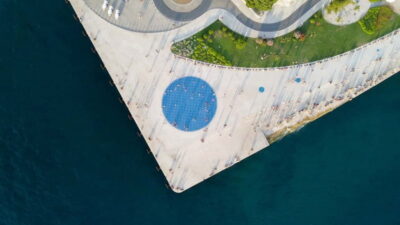
The tour ends with a landmark that feels like the opposite end of time: the Sea Organ. This is one of those experiences where you don’t just look—you hear. Even if you only catch part of how it works during your visit, it leaves an emotional mark. It’s a reminder that Zadar doesn’t live only in the past. The city turns its geography into experience.
This stop also gives a nice pacing shift. After churches and historic structures, Sea Organ feels lighter and more experiential. It’s a good way to close your tour because it turns “information time” into “sensory time.” You finish with a memory that isn’t just visual.
The practical advice: keep an eye on the conditions. Since this is a waterfront experience, the exact feel can change depending on weather and how busy the area is. If you want a longer version of this moment, plan to return after your tour for extra time near the water.
Price and Logistics: Is $18 Good Value for This Walk?
At $18 per person for a 60-minute guided walk through major Old Town highlights, this is priced like a practical city add-on. The key question isn’t the number. It’s what you get per minute and per stop.
You get:
- English-language guiding
- A route that hits the Roman Forum, Captain Tower, Five Wells Square, Kalelarga Street, People’s Square, St. Donatus Church, St. Anastasia’s Cathedral, and the Sea Organ
- A return to the same meeting point (simple for your schedule)
- No hotel pickup or drop-off, so you’re walking from the city core
That last point matters. If you’re staying far from the Old Town, you’ll need to factor in getting to Five Wells Square on your own. If you’re already near the waterfront or Old Town lanes, the lack of pickup is actually a plus: you’re not paying extra time just to board and exit a vehicle.
Now the real value factor: group dynamics. A low rating mentions disappointment when a paid group got slowed by participants who booked as a free walking tour. I’d treat that as a heads-up. If you’re schedule-tight, you may want to arrive a few minutes early and mentally prepare for the fact that questions can change the pace.
How to Make the Most of It (Even If Your Walk Feels Fast)
To get the best experience, I suggest you do two simple things.
First: arrive ready to walk. Old Town sidewalks can be uneven, and a 60-minute tour moves. Comfortable shoes matter more than you think.
Second: pick what you want most from your hour. If you’re chasing landmark photos, focus on the big stops first in your head: Roman Forum, Captain Tower, St. Donatus, St. Anastasia. If you care more about atmosphere, pay attention during Kalelarga Street and People’s Square. If you want a finale, plan to linger around Sea Organ after the tour ends.
Also, try to spot your guide quickly at Five Wells Square by the My Special Tour sign. When that first minute is smooth, the rest of the tour feels smoother too.
Should You Book This Zadar Old Town Highlights Tour?
I’d book it if you want a structured, time-smart introduction to Zadar’s Old Town. It’s especially worth it if you don’t want to spend your first day figuring out where to go and in what order. The lineup is solid, and the guides tend to earn praise for being friendly, upbeat, and prepared, with Livia specifically mentioned as sunny, empathetic, and professional.
I’d skip it or adjust expectations if you’re the type who wants a slow pace or you’re extremely schedule-sensitive. The group-size mix issue shows up as a potential drawback, and questions can slow things down.
If you’re staying in or near the Old Town area and you want one good hour to get your bearings, this is the kind of tour that turns wandering into understanding fast.
FAQ
How long is the Zadar Old Town Highlights Guided Walking Tour?
The tour lasts 60 minutes.
Where is the meeting point for the tour?
You meet at Trg Pet Bunara, at Five Wells Square.
What should I look for when I arrive?
Your guide will have a sign that says My Special Tour.
Is hotel pickup or drop-off included?
No, hotel pickup and drop-off are not included.
What languages is the tour available in?
The tour is available in English.
What sights does the tour cover?
The tour includes major Old Town stops such as the Roman Forum, Captain Tower, Five Wells Square, Kalelarga Street, People’s Square, St. Donatus Church, St. Anastasia’s Cathedral, the Sea Organ, and other Old Town main sights.
Can I pay later and get a refund if plans change?
You can reserve and pay later. You can cancel up to 24 hours in advance for a full refund.
More Tours in Zadar



More Tour Reviews in Zadar

More Old Town Walks
After something else? More tours and days out around Zadar




Zadar Old Town Walking Tours, compared.
 ★ 4.9Plitvice Lakes with Boat Ride and Zadar Old Town TourFrom $531,368 reviews
 ★ 5.0Plitvice Lakes with Boat Ride & Zadar Old town tourFrom $541,129 reviews
 ★ 4.8Guided Walking TourFrom $17445 reviews
 ★ 5.0Krka Waterfalls, Food & Wine Tasting, Boat Ride & Zadar Old TownFrom $52420 reviews
 ★ 5.0Zadar City Tour 120min WalkFrom $32203 reviews
 ★ 5.0Zadar Walking Tour sponsored by Gligora Cheese and deli.From $18119 reviews
 ★ 4.4Virtual Reality Guided History Walking TourFrom $3586 reviews
 ★ 4.7Private Walking Tour Through 3,000 Years of HistoryFrom $28871 reviews
Browse the lists this tour appears in