

Reviewed · ZADAR OLD TOWN WALKING TOURS
Zadar: City Highlights Walking Tour in Polish
An evening walk in Zadar feels like watching the city switch on. The setting sun turns familiar monuments into photo-worthy silhouettes, and a local guide keeps the story moving in Polish as you stroll.
I love the simple focus: 2 hours that hit the major landmarks without turning into a marathon. I also like that the route is built around light—dusk makes spots like Five Wells Square and the Roman Forum feel theatrical, not just historic.
One thing to consider: this is a walking tour, and you may need to dress appropriately if church entry is possible along the way. Comfortable shoes and a bit of planning for clothing pay off.
In This Review
- Key moments you’ll remember
- Why an evening walking tour works in Zadar
- Land Gate to Five Wells Square: the walk starts with a statement
- Five Wells Square and the Roman Forum at dusk
- Passing Church of St. Szymon, then National Square and St. Donatus
- The Sea Organ: where the night ends (and the light helps)
- Price and value: what $23 buys you in real time
- Łukasz Mrzygłód and a Polish guide who tells the city’s story
- What to bring for comfort and better photos
- Who should book this Zadar sunset walking tour (and who shouldn’t)
- Should you book this Zadar sunset tour in Polish?
- FAQ
- Where do I meet for the tour?
- How long is the Zadar City Highlights walking tour?
- What language is the guide speaking?
- Which landmarks will the tour focus on?
- Where does the tour end?
- What should I bring?
- Is church entry guaranteed?
- Can I cancel for a full refund?
- Does the tour require a minimum number of participants?
Key moments you’ll remember
- Land Gate to Five Wells Square: the route is timed for that last golden light
- Roman Forum at dusk: you get the feeling of Zadar across more than 3,000 years
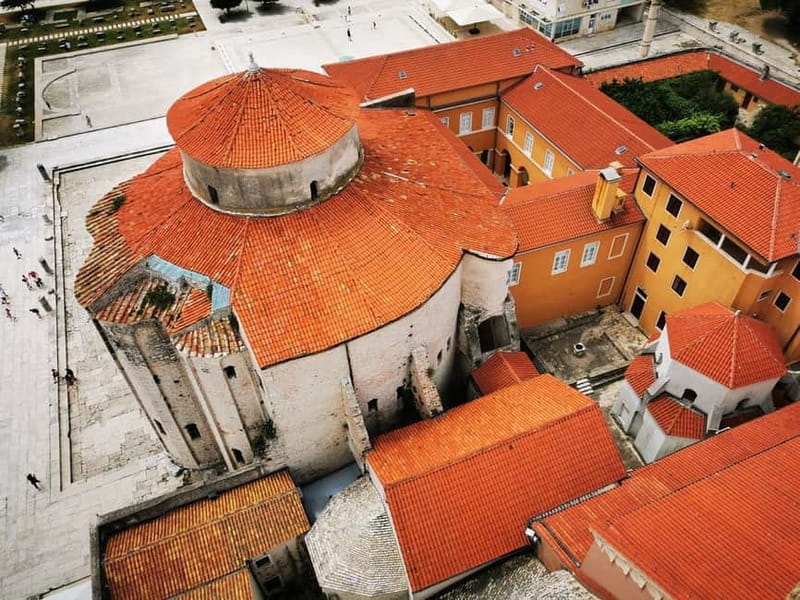
- Photo stops with St. Donatus: the Church of St. Donatus makes an excellent backdrop
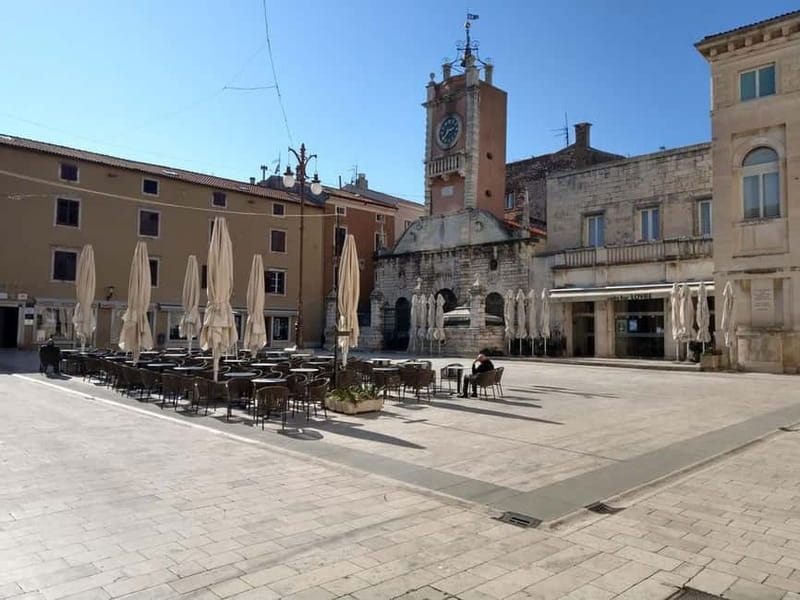
- Church of St. Szymon and National Square: you’ll pass key spots that shape the city’s layout
- Sea Organ sunset finish: ending at the Sea Organ gives your night a strong visual payoff
Why an evening walking tour works in Zadar
Zadar looks great any time of day, but twilight changes the mood fast. On this evening walk, the plan is to see monuments when the sky is soft and the buildings pick up warmer tones.
What makes this kind of tour valuable is timing. In 2 hours, you’re not trying to “cover everything” in a checklist way—you’re letting dusk do the heavy lifting. The highlights are the city’s most important sites, and you’re seeing them in the one lighting window most people miss when they only arrive in daylight.
And you get local context as you go. The tour includes what Zadar has been through across 3,000 years, so the stones and squares don’t feel like random backdrops.
More walks around the old town, the Roman forum and the Sea Organ.
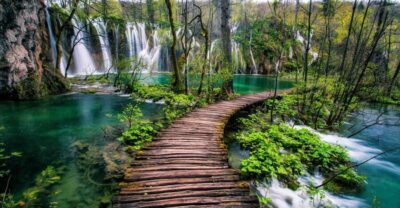
- Zadar: Plitvice Lakes with Boat Ride and Zadar Old Town Tour
★ 4.9 · 1,368 reviews - From Zadar: Plitvice Lakes with Boat Ride & Zadar Old town tour
★ 5.0 · 1,129 reviews - Zadar: Guided Walking Tour
★ 4.8 · 445 reviews - Krka Waterfalls, Food & Wine Tasting, Boat Ride & Zadar Old Town
★ 5.0 · 420 reviews
Land Gate to Five Wells Square: the walk starts with a statement
You meet at the entrance to the old city at Land Gate (Kopnena vrata). That’s a smart starting point because it immediately frames Zadar as a walled city with a clear sense of arrival—less “start wandering” and more “begin the story.”
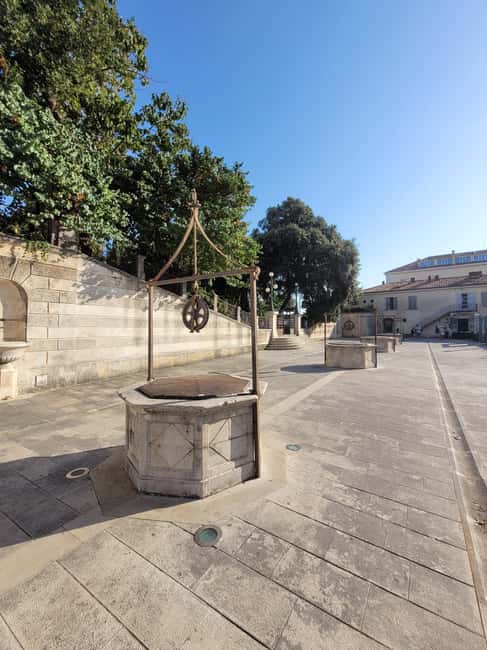
From there, the walk heads toward Five Wells Square. This is where the tour’s dusk strategy really shows up: the open space helps you catch both the architecture and the changing light without constantly fighting for good angles.
Five Wells Square is also a great moment for your camera. You’ll be taking in that classic Zadar feeling—stone surfaces, square geometry, and warm sky tones. If you want photos that don’t look like generic sightseeing snaps, arriving here while the light is fading is exactly the advantage of this tour.
Also, keep your pace steady. The tour is only 2 hours, so expect a brisk-but-friendly flow rather than long stops at every corner.
Five Wells Square and the Roman Forum at dusk
Next comes the stretch that gives you the “oh, that’s why people talk about this place” feeling. The tour highlights the Roman Forum, and that matters because it’s not just a pretty ruin—it helps you understand the city’s long timeline.
Zadar has changed over more than 3,000 years, and the Roman Forum is a visible anchor in that story. When you’re standing there at dusk, it’s easier to imagine earlier eras because the light flattens glare and makes the stone look more solid, more historical.
You’ll also be learning while you walk, not after the fact. That’s the difference between reading about a site and actually seeing it in the flow of the city.
If you’re aiming for photos, this is another good window. You’ll likely get a mix of wide shots (Forum in context) and tighter angles (architecture details). In general, I like saving my “serious camera time” for these moments rather than trying to shoot everything at once.
Passing Church of St. Szymon, then National Square and St. Donatus
The route continues through the old center with key landmarks along the way. You pass the Church of St. Szymon, then you reach National Square, before heading to the Roman Forum area.
Here’s the practical part: the tour notes that entry to churches may require appropriate clothing. So even if you’re not planning on going inside every door, wear something that won’t feel awkward if a church stop turns into a brief entry.
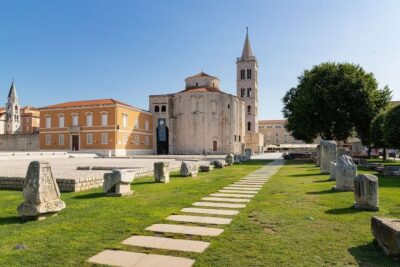
You’ll also get a strong photo opportunity with the Church of St. Donatus. The tour specifically points out taking great pictures with St. Donatus in the background, along with Five Wells Square and Land Gate. That’s a thoughtful combo, because it lets you build a visual story across the old city instead of just getting one “front facade” shot.
A small tip from experience: dusk photos can be deceptively tricky. Hold your stance when the guide is talking, then take your shot on cue—don’t wait until the sky has already moved on.
More ways to see the city itself.





The Sea Organ: where the night ends (and the light helps)
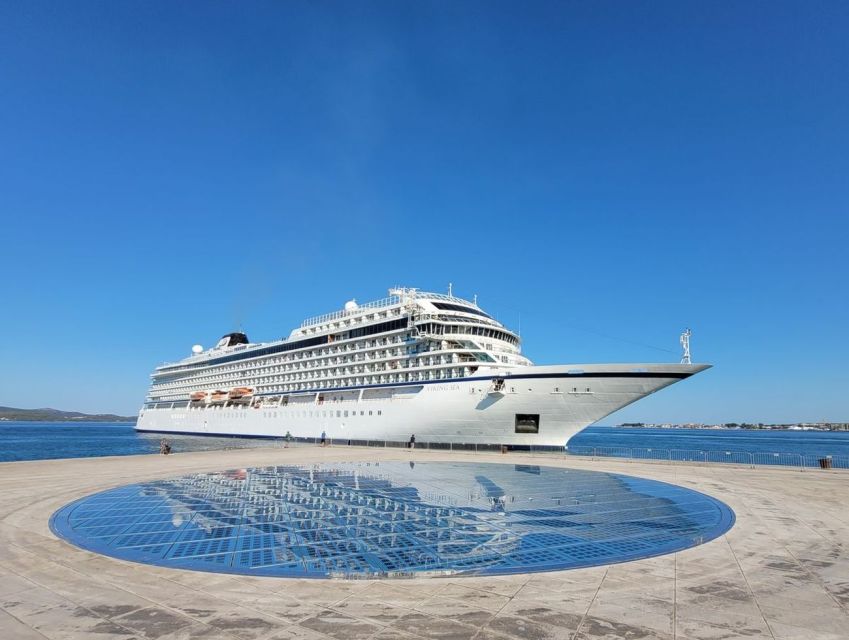
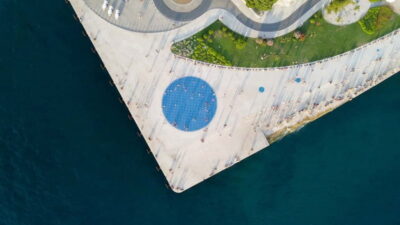
The tour finishes at the Sea Organ, and that ending is the payoff. The Sea Organ is famous in part because it pairs art with place—sound and sea, city edge and open air—and finishing here at sunset makes that connection easier to feel.
The tour description calls it one of the most beautiful sunsets in the world, and even if you’ve seen sunset hype elsewhere, this finish still makes sense. Ending at the water gives you room to pause and look outward. You’re not turning your head to keep up with monuments anymore—you’re letting the scene settle.
This is also where the timing matters most. If you can, arrive with a calm mindset for the last part. You’ll get better results if you treat the final stretch as “watch and listen,” not “rush for the last photo.”
And since the tour ends back at the meeting point, you’re not stuck figuring out a late-night escape plan. The guide has already built a sensible path back into the center.
Price and value: what $23 buys you in real time
At $23 per person for a 2-hour guided walk, this isn’t a luxury “see it slowly” experience. It’s priced for a focused evening plan—like buying time with a guide instead of spending that time getting your bearings alone.
Here’s what you’re really paying for:
- A live local guide in Polish, which changes the quality of the story
- Access to the route’s built-in timing for dusk lighting
- Coverage of the city’s main landmarks without wasting time hopping around on your own
If you like structure, the value clicks. You don’t have to decide which stops are worth your limited evening hours. You simply follow the plan and let the light do the rest.
Also, there’s strong satisfaction on the guide side. The rating is 4.9 with 34 reviews, and one standout comment praises how the guide tells very interesting stories—exactly what you hope for in a walking tour.
Łukasz Mrzygłód and a Polish guide who tells the city’s story
The experience provider is Łukasz Mrzygłód, and the tone coming through is clear: the tour works because the guide tells stories, not because it rushes past “important points.”
Even if you don’t speak Polish fluently, you’ll still benefit. You can follow the rhythm of the explanations while you connect them to what you’re seeing: Land Gate, Five Wells Square, St. Donatus, the Roman Forum, and the Sea Organ.
One more practical note from the tour details: there’s a minimum number of participants needed for the tour to go ahead—6 paying full price. That matters for planning, especially if you’re visiting during low season or picking a last-minute time slot. If a tour you want doesn’t run, checking alternate availability is the best move.
What to bring for comfort and better photos
This tour is short, but your comfort affects everything—especially at the end when you’ll want to linger at the Sea Organ.
Bring:
- Comfortable shoes
- A hat (even in the evening, sun and heat can still surprise you)
- Water
Also, if church entry is possible, dress so you’re ready. The tour specifically warns that appropriate clothing may be needed. You don’t want to spend your evening worrying about what’s covered or what’s not while the group is moving.
For photos, I’d add one more practical habit: keep your camera ready before the landmark hits peak light. The tour is built around dusk, and light moves quickly.
Who should book this Zadar sunset walking tour (and who shouldn’t)
This one is a great fit if you:
- Want an evening plan that’s tight and efficient
- Like architecture and city squares more than museum hopping
- Enjoy guided storytelling and want a local perspective in Polish
- Care about photos and want the route optimized for sunset light
It’s less ideal if you:
- Hate walking in old-town streets
- Need lots of free time to wander without following a guide’s pace
- Are uncomfortable with possible church dress rules
If you’re traveling with a mix of interests, this tour can still work because it combines landmark structure with a mood-based finish at the Sea Organ.
Should you book this Zadar sunset tour in Polish?
I’d book it if you want a high-impact evening with clear stops and a guide who actually narrates what you’re seeing. The combination of Land Gate, Five Wells Square, the Roman Forum, Church of St. Donatus, and a sunset finish at the Sea Organ is exactly the kind of route that makes Zadar feel like a real place, not a photo album.
Choose it if your schedule allows a 2-hour walking window and you’re happy to follow a Polish-speaking guide. If that sounds like your style, this tour is strong value for the price—and the dusk timing is the secret ingredient.
If you hate church clothing rules or you’re sensitive to walking, consider whether you’ll enjoy a structured route. Otherwise, this is a smart, scenic way to spend your evening in Dalmatia.
FAQ
Where do I meet for the tour?
Meet at the entrance to the city in front of Land Gate (Kopnena vrata).
How long is the Zadar City Highlights walking tour?
The tour lasts 2 hours.
What language is the guide speaking?
The live tour guide speaks Polish.
Which landmarks will the tour focus on?
You’ll see major sights including Five Wells Square, the Roman Forum, the Church of St. Szymon (passed by), Church of St. Donatus (photo stop), and you’ll end at the Sea Organ.
Where does the tour end?
The activity ends back at the meeting point.
What should I bring?
Bring comfortable shoes, a hat, and water.
Is church entry guaranteed?
No. The tour notes that entry to churches may require appropriate clothing, so be prepared if a stop allows entry.
Can I cancel for a full refund?
Yes. You can cancel up to 24 hours in advance for a full refund.
Does the tour require a minimum number of participants?
Yes. A minimum of 6 participants paying full price is required for the tour to go ahead.
More Tours in Zadar


More Tour Reviews in Zadar
More Old Town Walks
After something else? More tours and days out around Zadar




Zadar Old Town Walking Tours, compared.
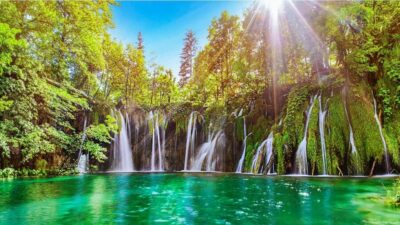 ★ 4.9Plitvice Lakes with Boat Ride and Zadar Old Town TourFrom $531,368 reviews
 ★ 5.0Plitvice Lakes with Boat Ride & Zadar Old town tourFrom $541,129 reviews
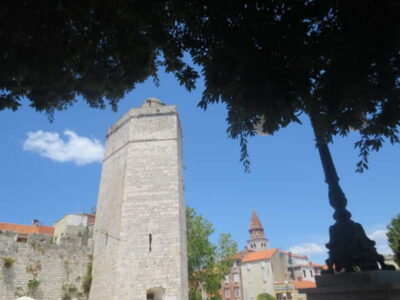 ★ 4.8Guided Walking TourFrom $17445 reviews
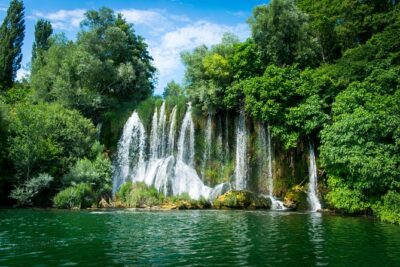 ★ 5.0Krka Waterfalls, Food & Wine Tasting, Boat Ride & Zadar Old TownFrom $52420 reviews
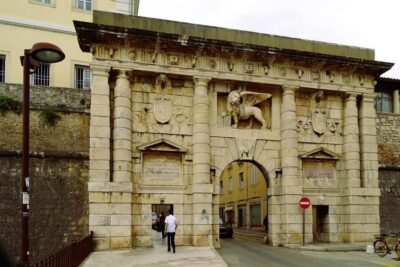 ★ 5.0Zadar City Tour 120min WalkFrom $32203 reviews
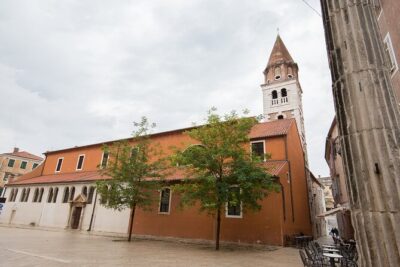 ★ 5.0Zadar Walking Tour sponsored by Gligora Cheese and deli.From $18119 reviews
 ★ 4.4Virtual Reality Guided History Walking TourFrom $3586 reviews
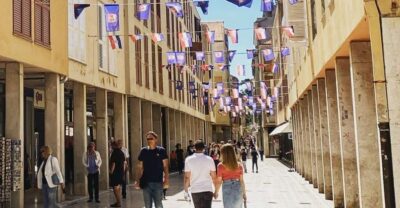 ★ 4.7Private Walking Tour Through 3,000 Years of HistoryFrom $28871 reviews
Browse the lists this tour appears in